Recruitment Crisis: Why Your “We Are Hiring” Post Isn’t Working.
Meet Sarah. She owns a busy mixed practice in the Midlands. Two months ago, her lead Associate handed in their notice. Sarah didn’t panic at first. She did what she always does. She wrote a job description, listed the UDA rate, and posted it on a popular job board.
Then, she waited.
Week one went by. Zero applications. Week two brought one email from a candidate who wasn’t GDC registered. By week four, the panic set in. Her UDA target was looming, and her reception team was already turning patients away. The chair sat empty, costing her practice thousands every single week.
Does this sound familiar?
This is the harsh reality of Associate Dentist recruitment in the UK today. The old ways of hiring simply do not work anymore.
The Market Has Changed
You are no longer picking from a pile of CVs. The candidates are picking you.
Recent data paints a stark picture. According to the British Dental Association, recruitment and retention issues are at a crisis point, with thousands of dentists leaving the NHS since lockdown. A report from Dentistry.co.uk highlighted that 21% of NHS general dentist posts were vacant as of March 2024.
That means for every qualified Associate looking for a role, there are multiple practices fighting for their attention.
If you want to win that fight, you must stop thinking like a boss hiring an employee. You need to start thinking like a marketer seeking a high-value client.
The Mindset Shift: Candidates Are VIPs
Think about how you attract private patients. You don’t just stick a price list on a window and hope for the best. You build trust. You show off your modern equipment. You talk about the patient experience.
You need to do the exact same thing for your future Associate.
The top talent in dentistry isn’t unemployed. They are already working somewhere else. They aren’t scrolling through job boards desperately looking for work. To get their attention, you have to offer them something better than what they currently have.
You need to sell the career, not just list the demands.
Why the PDF Job Description Fails
Most practice owners upload a dry, text-heavy PDF to a job site. It usually lists hours, UDA rates, and a demand for a “hard worker.”
This is boring. It tells the candidate nothing about what it feels like to work with you.
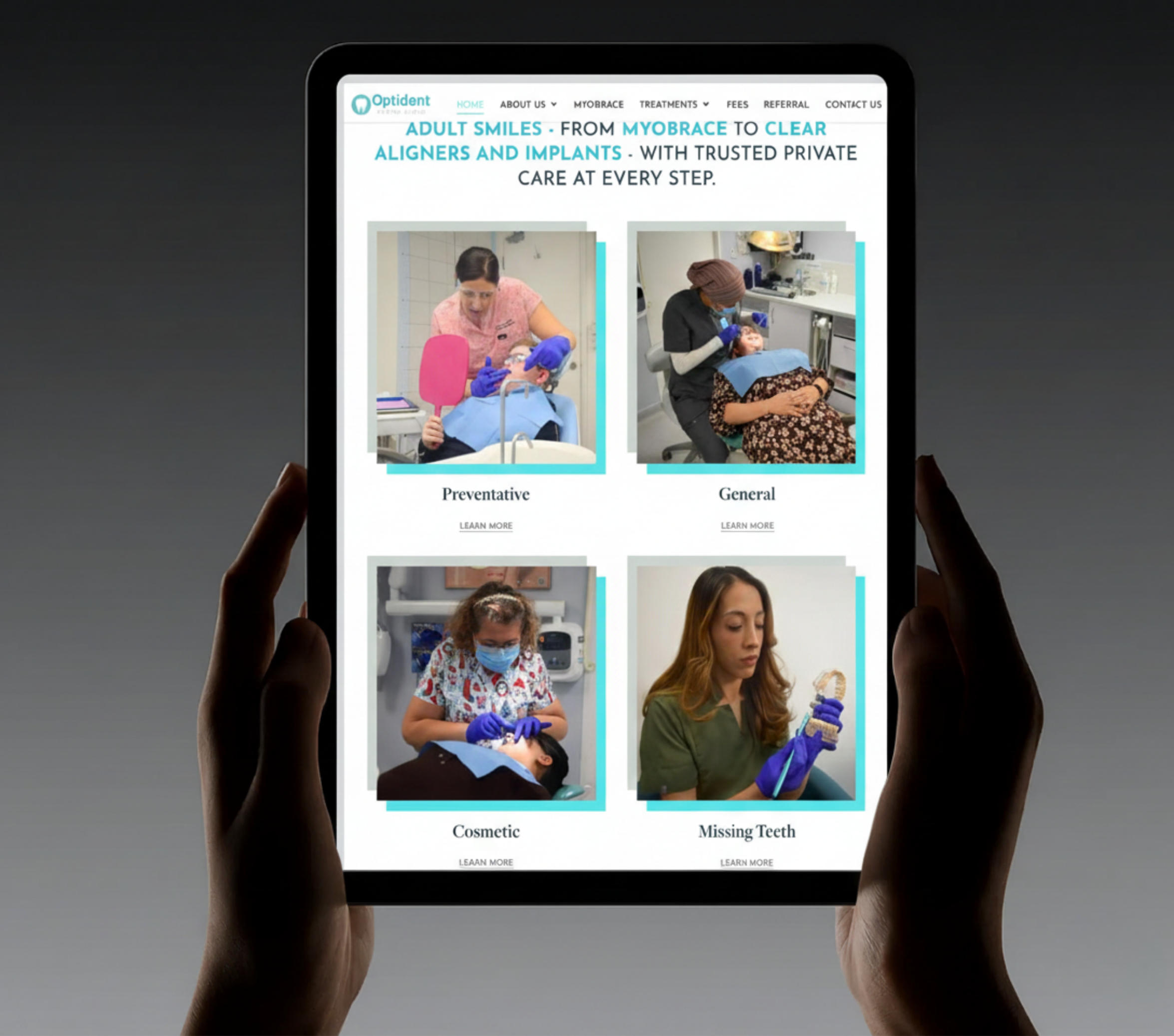
Instead, you need a “Career Landing Page.” This is a specific page on your website dedicated solely to Associate Dentist recruitment. It should include;
- Photos of the surgery and the staff room.
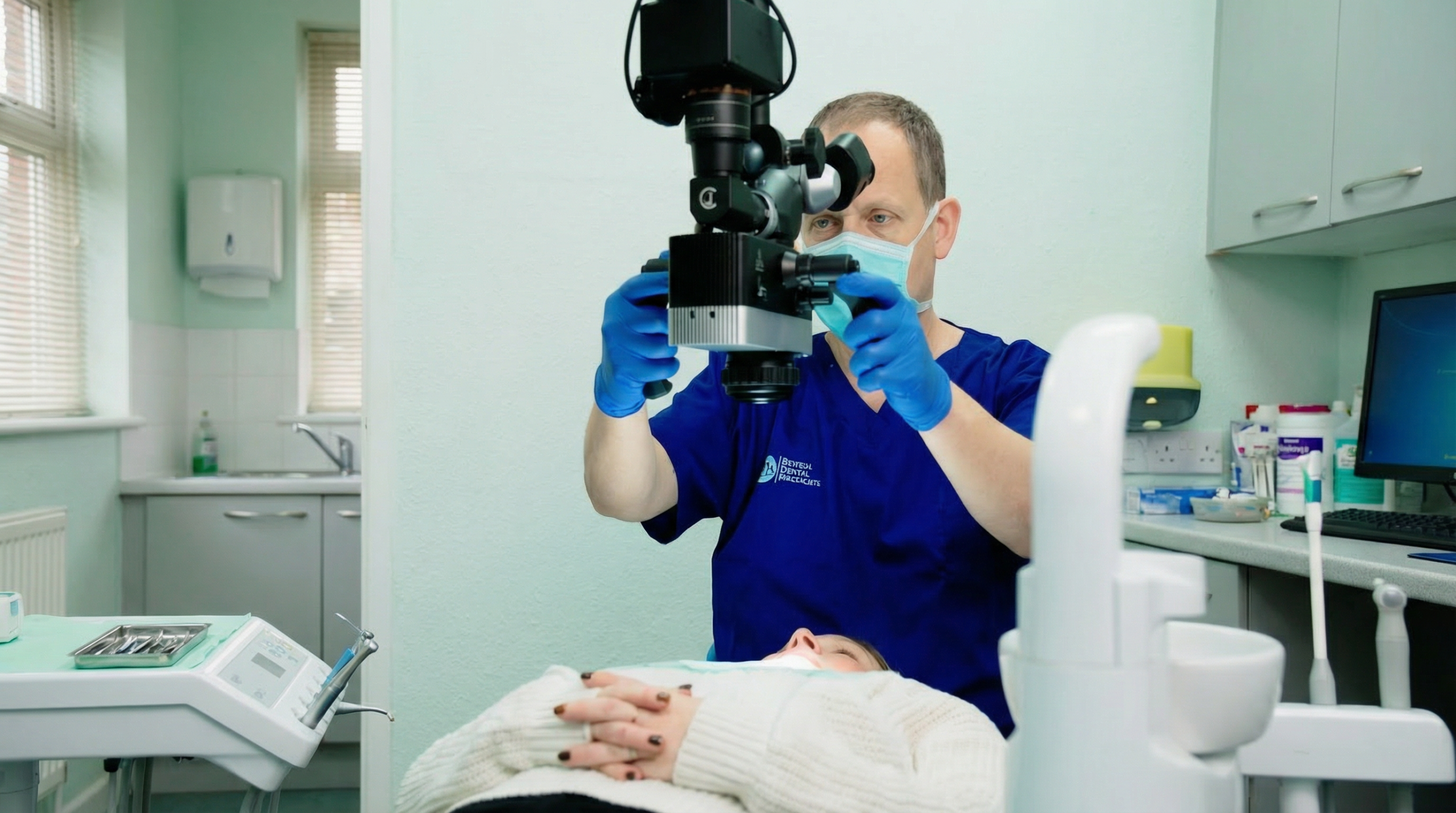
- Details about the equipment (scanners, microscopes, software).
- Information on mentorship and funding for courses.
- A clear description of the practice culture.
If you don’t have a digital scanner or a treatment coordinator, you are already behind. High-performing Associates want to know they will have the tools to do their best work.
Video Testimonials: Show, Don't Just Tell
Anyone can write “we have a friendly team” in an advert. But it means nothing in text.
To really stand out, you need social proof. Record short video interviews with your current team. Ask them simple questions.
- “Why do you like working here?”
- “How does the principal support your clinical growth?”
- “What is the social life like?”
When a potential candidate sees a real dentist smiling and talking about how much they love the practice, it builds instant trust. It removes the fear that they are walking into a toxic environment.
Video content stops the scroll. It captures attention in a way that text never will.
Target Dentists, Not Patients
This is where most practices waste their money.
You might boost a post on your practice Facebook page saying “We Are Hiring.” But who follows your page? Your patients. Mrs. Jones from down the road doesn’t know any dentists.
You need to run targeted ads that are shown only to dental professionals.
Platforms like Facebook, Instagram, and LinkedIn allow you to be very specific. You can show your beautiful video ad to people who list “Dentist” as their job title and live within 20 miles of your practice.
This puts your offer right in front of the people who need to see it, even if they aren’t actively looking for a job. This is often where an agency like Dentify Digital can step in to manage the technical side of ad targeting, ensuring your budget isn’t wasted on the wrong audience.
The Cost of an Empty Chair
Ignoring this problem is expensive.
Let’s do the maths. An empty surgery can cost a practice anywhere from £1,500 to £2,000 a day in lost revenue. Over a month, that is tens of thousands of pounds.
Compared to that loss, the cost of a proper marketing campaign to find the right person is tiny.
Yet, many owners hesitate to spend money on recruitment marketing. They prefer to wait and hope. But hope is not a strategy. While you wait, your patients are waiting too. And eventually, they will go elsewhere.
Fix Your Recruitment Funnel
The goal is to make it as easy as possible for a dentist to express interest.
Do not make them fill out a ten-page application form. Do not make them create a login.
On your Career Landing Page, have a simple button: “Chat with the Principal.” Let them book a casual 15-minute call directly into your diary.
This lowers the barrier. It feels less formal. It treats them like a peer, not a subordinate.
Fix Your Recruitment Funnel
The dental landscape has shifted. The shortage of associates is real, and the competition is fierce.
If you want to fill your surgery, you must adapt.
- Stop relying on boring job boards.
- Start treating candidates like high-value clients.
- Build a Career Landing Page that sells your culture.
- Use video to build trust and show off your team.
- Run targeted ads to reach passive candidates.
Your next superstar Associate is out there. They just don’t know you exist yet. You have to go out and find them with the same energy you use to find your patients.
Ready to transform your Associate Dentist recruitment process and fill that empty chair?
Click here to book a strategy call with Dentify Digital today.