logotype
  • HOME
  • SERVICES
    • WEB DESIGN
    • DIGITAL MARKETING
    • BRANDING
    • SEO
    • PHOTOGRAPHY
    • REPUTATION MANAGEMENT
  • BLOG
  • OUR WORK
  • ABOUT US
  • CONTACT US
    Contact us

    We are Here:

    Chancellors House, 3 Brampton Lane, Hendon, England, NW4 4AB

    Send mail:

    info@dentifydigital.com

    Call Us:

    020 4634 6363
    Facebook-fLinkedin-inInstagram
    Get in Touch

    Your email address will not be published. Required fields are marked *

    SEARCH
    logotype
    logotype
    • HOME
    • SERVICES
      • WEB DESIGN
      • DIGITAL MARKETING
      • BRANDING
      • SEO
      • PHOTOGRAPHY
      • REPUTATION MANAGEMENT
    • BLOG
    • OUR WORK
    • ABOUT US
    • CONTACT US
      Contact us

      We are Here:

      Chancellors House, 3 Brampton Lane, Hendon, England, NW4 4AB

      Send mail:

      info@dentifydigital.com

      Call Us:

      020 4634 6363
      Facebook-fLinkedin-inInstagram
      Get in Touch

      Your email address will not be published. Required fields are marked *

      SEARCH
      logotype
      • HOME
      • SERVICES
        • WEB DESIGN
        • DIGITAL MARKETING
        • BRANDING
        • SEO
        • PHOTOGRAPHY
        • REPUTATION MANAGEMENT
      • BLOG
      • OUR WORK
      • ABOUT US
      • CONTACT US
        Contact us

        We are Here:

        Chancellors House, 3 Brampton Lane, Hendon, England, NW4 4AB

        Send mail:

        info@dentifydigital.com

        Call Us:

        020 4634 6363
        Facebook-fLinkedin-inInstagram
        Get in Touch

        Your email address will not be published. Required fields are marked *

        Author: Alfie
        HomeArticles Posted by Alfie
        dental surgery
        Compliance & Regulations
        February 5, 2026by Alfie

        Compliance Check: Does My Website Need to Display My GDC Number?

        Imagine a prospective patient, Sarah, is looking for a new dentist. She finds your website. It looks great. The photos are bright, and the list of treatments is impressive. But Sarah is cautious. She wants to know she is in safe, professional hands.

        She looks for your GDC number to verify your registration. She can’t find it.

        Sarah doesn’t just feel slightly annoyed; she feels a seed of doubt. If this practice hasn’t followed the basic rules for their website, what else are they skipping? She clicks away and finds a competitor who displays their credentials clearly.

        In the UK, displaying your GDC number isn’t just a “nice to have.” It is a strict regulatory requirement. According to the General Dental Council (GDC), your website is a form of advertising. This means it must follow the Principles of Ethical Advertising.

        Failing to meet these standards isn’t just bad for patient trust. It can lead to fitness to practise investigations.

        The Essential GDC Website Checklist

        The GDC is very specific about what must appear on a dental practice website. If you haven’t audited your site recently, use this checklist to ensure you are compliant.

        1. Individual Professional Details
        For every dental professional mentioned on your website (dentists, therapists, hygienists, and nurses), you must display:

        • Their full name as it appears on the GDC register.
        • Their GDC registration number.
        • Their professional qualification (e.g., BDS, Dip DH).
        • The country where that qualification was derived (e.g., UK).

        Simply listing “Dr. John Smith” is not enough. You must provide the full clinical context so patients can verify his status on the GDC register.

        Practice Contact Information

        Your website must clearly state the physical details of the business. This includes:

        • The practice name
        • Their geographic address of the clinic.
        • A telephone number and email address.

        Regulatory Links and Statements

        You are required to show that you are part of a regulated profession. You must include:

        • A statement that the practice is regulated by the GDC.
        • A direct link to the GDC website.
        • This proves to patients (and regulators) that your information is current.

        The "Complaints Procedure" Rule

        One of the most common areas where practices fail an audit is the complaints procedure. The GDC requires that patients know exactly how to raise a concern.

        Your website must have a dedicated section or link that explains:

        1. How to complain to the practice directly.
        2. Who to contact if they are not satisfied with your response.

        For private treatment, you must link to the Dental Complaints Service. For NHS treatment, you must provide details for the relevant NHS body or the Parliamentary and Health Service Ombudsman.

        Hiding this information in a hard-to-find PDF is a mistake. It should be easily accessible, ideally in your website footer or on a “Patient Information” page.

        Why Compliance is Good for Business

        It is easy to see these rules as red tape. However, transparency is a core part of Personal Branding for dentists.

        When you display your GDC number and qualifications clearly, you are signaling authority. You are telling the patient, “I am a qualified professional, and I am proud of my credentials.”

        Research into patient behavior shows that trust signals are vital for conversion. A 2026 guide on UK dental website design notes that displaying GDC numbers and CQC ratings prominently on homepages builds instant credibility. Patients are making high-value health decisions. They want proof of safety.

        Common Compliance Mistakes to Avoid

        Even well-meaning practice owners can fall into these traps:

        • Using Specialist Titles incorrectly: Only dentists on a GDC specialist list can call themselves a “Specialist” or an “Endodontist/Orthodontist.” If you aren’t on the list, you must use phrases like “practice limited to” or “special interest in.”
        • Missing Staff Members: If a new associate joins, their details must be added to the site immediately. The data on your site must always reflect the personnel currently at the practice.
        • Unverifiable Claims: Avoid words like “best,” “painless,” or “guaranteed results.” These are considered misleading by the GDC and the Advertising Standards Authority (ASA).

        The Risks of Non-Compliance

        The GDC has a statutory duty to protect the public. If your website is found to be misleading or lacks mandatory information, the consequences are real.

        Annual renewal data from January 2026 shows that hundreds of dentists are removed from the register every year for various reasons. While a missing GDC number might not lead to immediate removal, it can trigger a wider investigation into your “Fitness to Practise.”

        Furthermore, if you are an NHS provider, the Care Quality Commission (CQC) will also check your website. Their “Well-led” criteria look for evidence that the practice is meeting all its legal and professional obligations.

        How to Fix Your Site Today

        You don’t need a total redesign to become compliant. Most of these changes can be made in an hour.

        1. Check your footer: Ensure it contains your address, contact info, and a link to the GDC.
        2. Audit your ‘Team’ page: Add GDC numbers and qualifications to every bio.
        3. Review your complaints link: Make sure the links to the Dental Complaints Service actually work.
        4. Add a ‘Last Updated’ date: Put this at the bottom of your homepage or contact page.

        If this feels overwhelming, an agency like Dentify Digital can perform a full compliance audit of your current site to ensure nothing is missed.

        Summary

        Your website is often the first point of contact between you and a new patient. By displaying your GDC number and meeting all regulatory standards, you protect your registration and build a foundation of trust. Compliance isn’t just about avoiding trouble; it’s about showing your patients that you value their safety and your professional integrity.

        Is your website fully GDC compliant and ready to convert new patients?

        Click here to book a strategy call with Dentify Digital.

        Read More
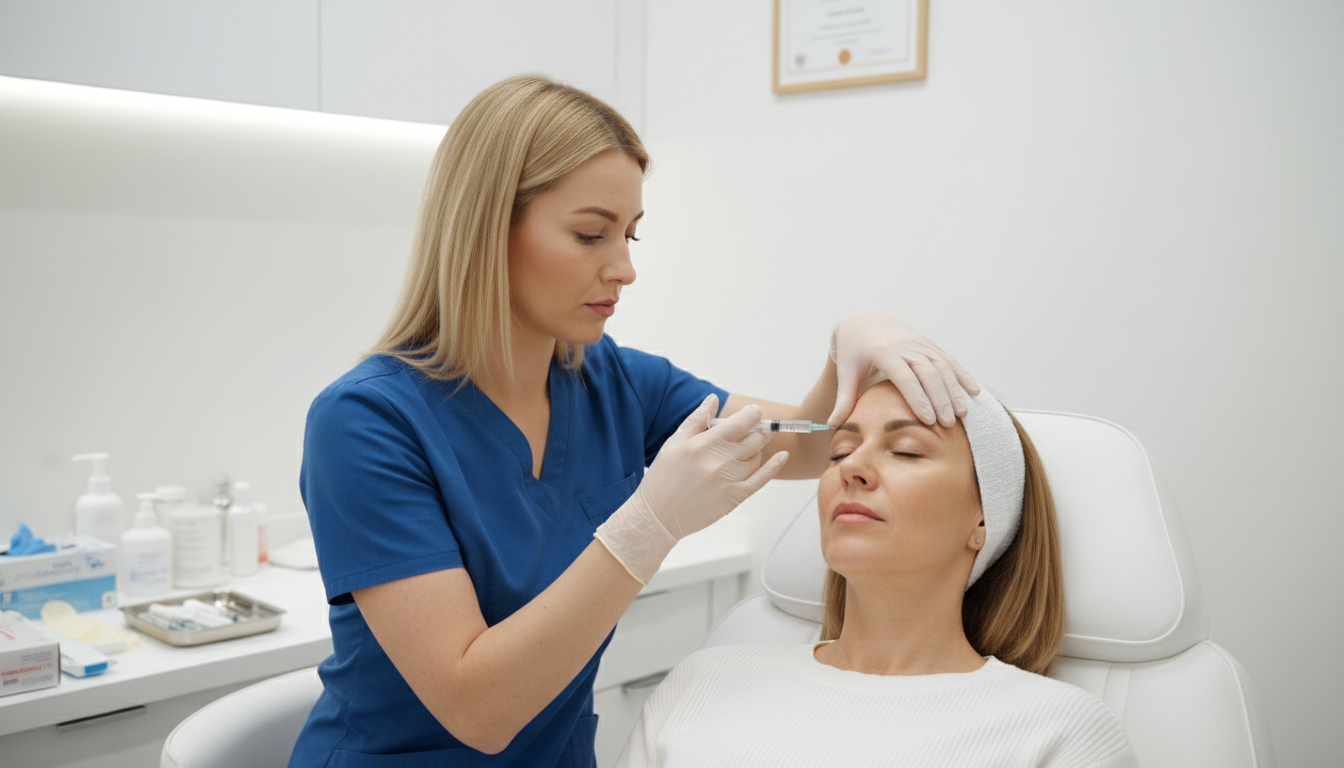
        Dentist hand touching robot hand
        Industry Insights
        February 2, 2026by Alfie

        How will AI change dental marketing?

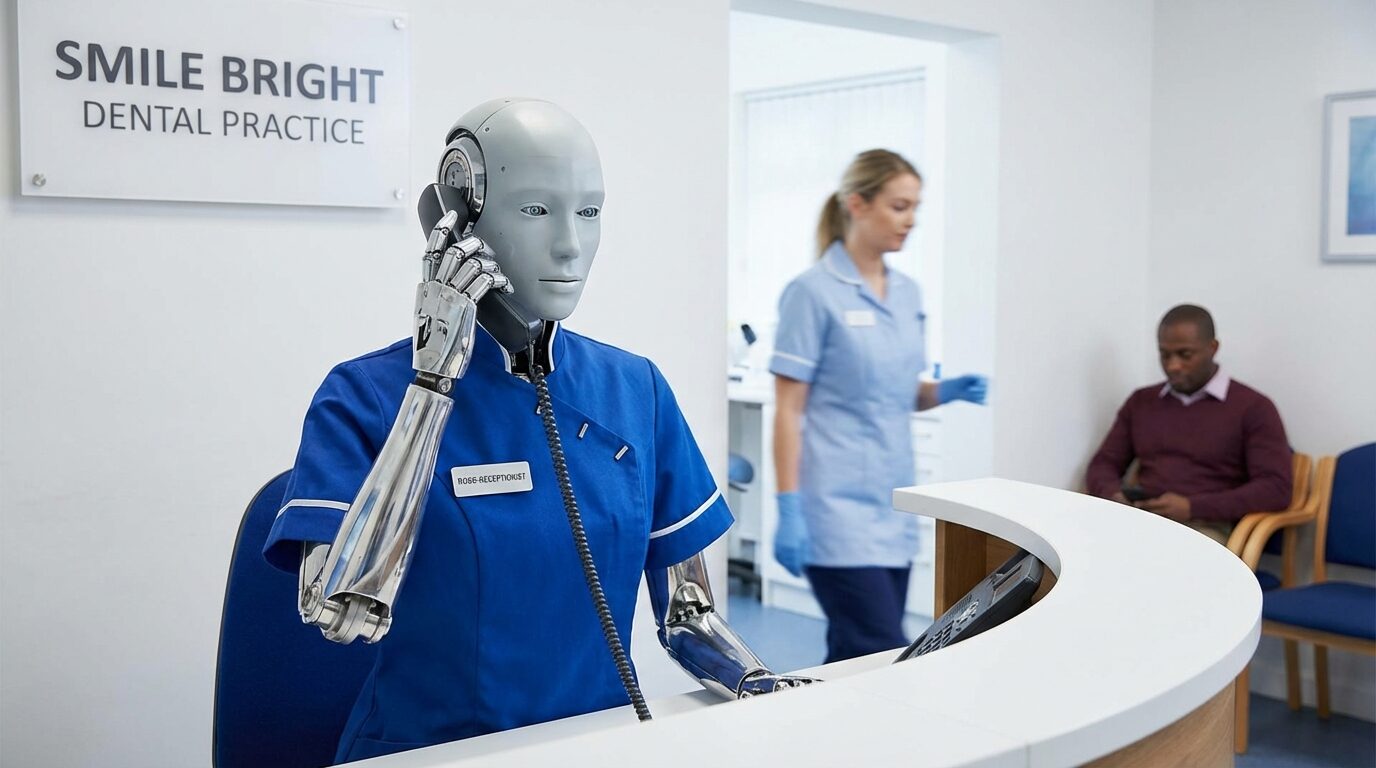
        The Robot Receptionist: How AI Will Change Dental Marketing Forever

        It is 2:00 AM on a Sunday. Sarah wakes up with a throbbing pain in her lower molar. She is panicked. She grabs her phone and searches for a dentist.

        She visits Practice A’s website. It has a contact form that says, “We will get back to you in 48 hours.”

        She visits Practice B’s website. A friendly chat window pops up instantly. “Hi, I’m the virtual assistant. Are you in pain?” Sarah clicks “Yes.” The bot asks her to rate the pain. It asks if there is swelling. It then says, “This looks like it needs urgent attention. We have an emergency slot at 9:00 AM tomorrow. Shall I book it for you?”

        Guess which practice got the patient?

        This is not science fiction. This is happening right now. AI in dental marketing is no longer just a buzzword. It is the difference between a full diary and a missed opportunity.

        The 24/7 Triage Nurse

        Your reception team is human. They need to sleep. Your website does not.

        For years, websites were just digital brochures. You looked at them, found a phone number, and called. But today, patients want instant answers.

        AI chatbots are now smart enough to act like a triage nurse. They don’t just say “hello.” They ask clinical questions.

        “Is the tooth sensitive to hot or cold?”

        “Is there bleeding?”

        “How long have you had the pain?”

        Based on the answers, the AI can decide if the patient needs to be seen immediately or if they can wait for a routine check-up.

        This saves your front desk hours of time. Instead of answering the same questions over and over, they arrive at work to find qualified appointments already booked in the system.

        The End of Writer's Block

        Marketing requires content. You know you need to write blogs about Invisalign or emails about teeth whitening. But after a long day of clinical work, writing is the last thing you want to do.

        AI tools like ChatGPT have changed this game completely.

        You can now tell an AI: “Write a 500-word blog post about the benefits of composite bonding for a UK audience. Make it friendly and mention that it is non-invasive.”

        In ten seconds, you have a draft.

        Warning: You cannot just copy and paste. AI can make mistakes. It might use American spelling (like “color” instead of “colour”). It might say something clinically incorrect.

        You must use AI as a junior copywriter. It does the heavy lifting, but you must check the work. Add your own voice. Add a story about a patient you treated last week. This hybrid approach allows you to produce months of social media content in a single afternoon.

        Never Miss a Call Again

        The most expensive thing in a dental practice is a missed phone call.

        Data suggests that if you don’t answer a new patient’s call, they won’t leave a voicemail. They will just call the next dentist on the list.

        New AI voice agents can solve this. These aren’t the annoying “Press 1 for Reception” robots of the past. These are voice assistants that sound human.

        If your reception line is busy, the AI picks up. It can:

        • Take the patient’s name and details.
        • Check your practice management software for available slots.
        • Book the appointment directly into the diary.
        • Answer questions about pricing and parking.
        • This ensures that every single lead is captured, even if your receptionist is on the other line or having lunch.

        Predicting the Future

        The next wave of AI in dental marketing is “Predictive Analytics.”

        Imagine if your computer could tell you which patients are likely to cancel their appointment next week. AI can analyse patterns. It knows that “Mr. Smith always cancels when it rains” or “Mrs. Jones usually books hygiene visits in December.”

        It can also predict who is ready for cosmetic work. If a patient has visited your whitening page three times in the last week, the AI can alert your treatment coordinator to send them a friendly email with a special offer.

        This moves marketing from “guessing” to “knowing.”

        The Human Touch Still Wins

        With all this technology, you might worry that dentistry will become robotic.

        The opposite is true.

        By using AI to handle the boring stuff—the booking, the forms, the basic questions—you free up your team to be more human. Your receptionist isn’t stressed trying to answer three phones at once. They can stand up, walk around the desk, and greet a nervous patient with a warm smile.

        AI handles the data. You handle the care.

        Summary

        The practices that win in the next five years will be the ones that embrace these tools.

        1. Install a smart chatbot to triage patients while you sleep.
        2. Use AI to speed up your content writing (but always check it).
        3. Consider AI voice assistants to catch every missed call.
        4. Let the robots handle the admin so you can focus on the dentistry.

        AI in dental marketing is here to stay. It is not about replacing people. It is about giving your people superpowers.

        Ready to integrate AI into your practice without the technical headache?

        Click here to book a strategy call with Dentify Digital.
        Read More
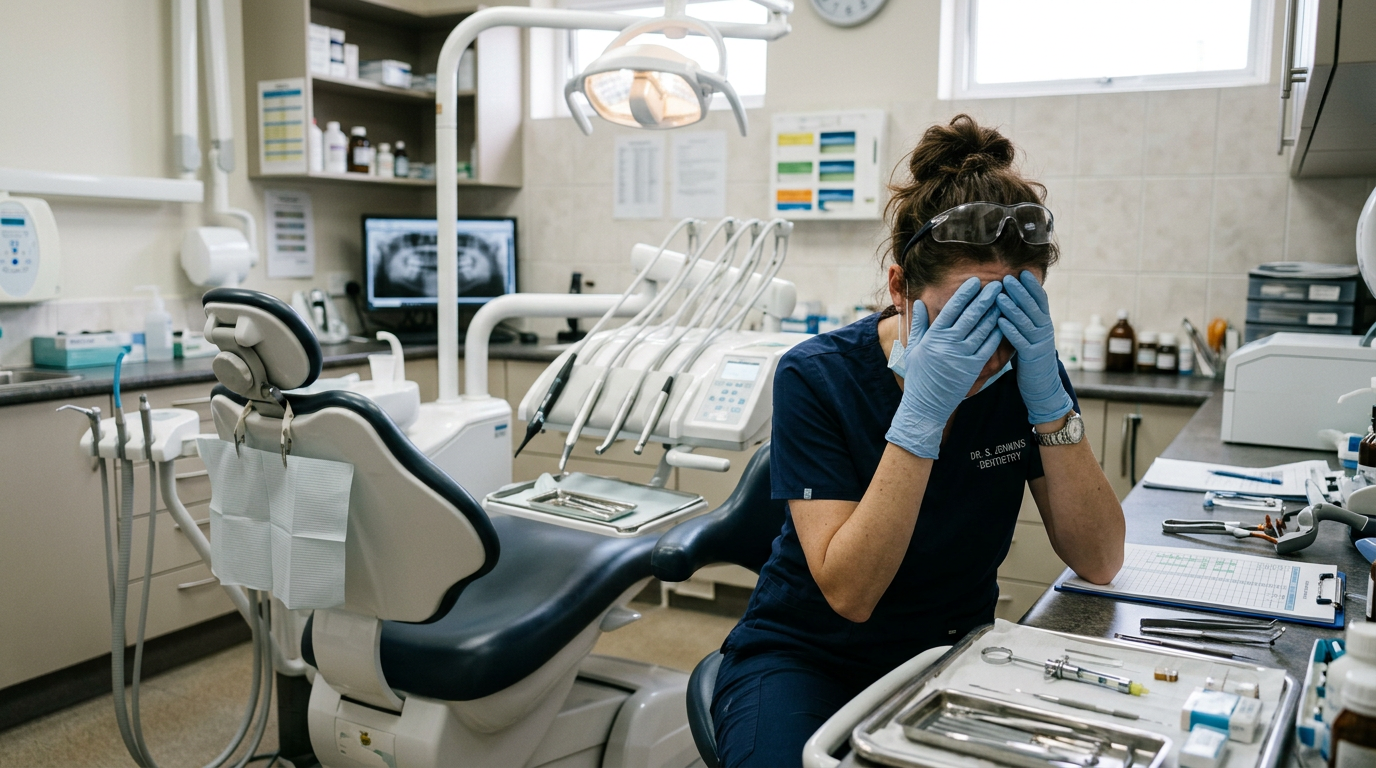
        Patient speaking to Dentist
        Strategy & Growth
        January 30, 2026by Alfie

        Selling the Club, Not the Drill: How to Market Dental Membership Plans

        James owns a thriving practice in Bristol. He has a solid list of loyal patients, but his monthly cash flow feels like a roller coaster. Some months are great. Other months, the diary has gaps that make him sweat.

        He decided to push his membership plans. He printed some flyers that said “10% off fillings” and “Insurance for your teeth.” He put them in the waiting room and waited for the sign-ups.

        Almost nobody joined.

        James was frustrated. He knew the plan was a good deal. It saved patients money in the long run. Why weren’t they biting?

        The problem wasn’t the price. The problem was the message. James was selling “the drill.” He was reminding patients about the very thing they hate: getting fillings and needing insurance for disasters.

        In 2026, the way we talk about Membership Plans for dentists must change. You aren’t selling a discount. You are selling a lifestyle, peace of mind, and a sense of belonging.

        Move Away From "Insurance" Language

        The word “insurance” feels like a chore. People buy insurance because they have to, not because they want to. It reminds them of car accidents or broken boilers.

        When you market your plan as insurance, the patient thinks about things going wrong.

        Instead, you should market your plan as a “Maintenance and Access Club.” People love joining clubs. Clubs offer perks. Clubs offer status. Most importantly, clubs look after their members.

        Shift your wording from “coverage” to “care.” You aren’t covering the cost of a scale and polish. You are providing a “Preservation Programme” to ensure they keep their natural teeth for life. This small change in language shifts the value from a financial transaction to a health benefit.

        The Power of Guaranteed Access

        If you look at the news today, the biggest fear for UK dental patients is lack of access. According to Healthwatch England, finding a dentist is still one of the most significant challenges for the public.

        In 2026, a “10% discount on crowns” is a weak selling point. Most patients don’t plan on needing a crown.

        However, “Guaranteed Emergency Access” is a massive selling point.

        Your marketing should highlight that members are the “VIPs” of the practice. If a member breaks a tooth at 8:00 AM, they know they will be seen that day. This peace of mind is worth far more than a small discount on a filling.

        Sell the "Prevention" Not the "Cure"

        Modern patients are more health-conscious than ever. They spend money on gym memberships, skin care, and organic food. They want to avoid problems, not just fix them when they happen.

        When marketing Membership Plans for dentists, focus on the “Clean Feeling.”

        Talk about how regular hygiene visits prevent gum disease and bad breath. Remind them that members have “pre-booked health checks” so they never have to worry about forgetting an appointment.

        You are selling the confidence of a healthy smile. You are selling the fact that they will likely need less dental work because they are being looked after properly.

        Use the "Netflix" Comparison

        Everyone understands subscriptions. People are used to paying a small monthly fee for a service they value.

        When you explain the price, don’t just say it is £20 a month. Compare it to things they already buy. “For less than the price of a weekly coffee, you get total peace of mind for your dental health.”

        This makes the cost feel manageable. It stops being a “big bill” and becomes a small, automated part of their monthly budget.

        The Role of Your Front-of-House Team

        Marketing isn’t just about what is on your website. It is about what happens at the desk.

        Your reception team should not be “selling” a plan. They should be “inviting” patients to join the community.

        Instead of asking, “Do you want to sign up for our plan?”, they should say:

        “Most of our regular patients prefer our Membership Club. It covers all your routine care and gives you priority emergency booking. Would you like me to show you how it works?”

        This feels like a recommendation, not a sales pitch. It positions the plan as the “normal” and “sensible” choice for anyone who cares about their teeth.

        Social Proof and the "Star Dentist"

        This ties back to your personal brand. When you show off your work on social media, mention your members.

        “Just finished this composite bonding for one of our lovely Membership Club patients!”

        This subtly tells your audience that your best work is reserved for your members. It creates a “Fear Of Missing Out” (FOMO). People want to be part of the group that gets the best care and the most attention.

        Digital Marketing for Plans

        You should have a dedicated page on your website for your membership options. This page shouldn’t just be a list of prices. It should be a visual guide to the benefits.

        Use icons and simple language.

        • Icon of a clock: Priority booking.
        • Icon of a shield: Emergency cover abroad.
        • Icon of a smile: Two hygiene visits a year.

        Running targeted ads specifically about “Priority Dental Access in [Your Town]” can drive new patient enquiries directly to your plan, rather than just to your general check-up service. This is where professional help with Membership Plans for dentists can make a huge difference in your conversion rates.

        The Lifetime Value of a Member

        From a business perspective, a member is worth significantly more than a pay-as-you-go patient.

        Data from the British Dental Industry Association suggests that patients on plans are more likely to take up elective private treatments. They have a stronger relationship with the practice. They trust you more.

        When you market a membership plan, you aren’t just filling a gap today. You are securing the revenue of the practice for years to come.

        How to Rebrand Your Existing Plan

        If your current plan isn’t growing, it might need a “facelift.”

        • Change the name. Give it a name that sounds premium.
        • Update your photos. Show people enjoying life, not sitting in a dental chair.
        • Highlight the “Access.” Make sure the emergency guarantee is front and centre.

        Summary

        The secret to successful plan marketing is emotion, not maths.

        • Stop talking about discounts and insurance.
        • Start talking about access, prevention, and peace of mind.
        • Make your members feel like VIPs.
        • Train your team to invite patients into the “Club.”
        • Use digital tools to make joining effortless.

        By shifting your message, you turn a financial product into a must-have service. Your patients get better health, and your practice gets the stable cash flow it deserves.

        If you want to create a marketing campaign that actually grows your patient plan numbers, we have the tools to make it happen.

        Click here to book a strategy call with Dentify Digital.
        Read More
        bbf6555a-b687-41c8-8d10-af45f41812b2
        Trends & Future
        January 23, 2026by Alfie

        Why is everyone talking about ‘Personal Branding’ for dentists?

        Think about the last time you bought a high-ticket item. Did you buy it because of a faceless corporate logo? Or did you buy it because you trusted the person selling it?

        The UK dental market is shifting. The days of relying solely on your clinic’s sign are gone.

        A young patient in Manchester recently walked past three large, established clinics to visit a small squat practice. Why? She wasn’t looking for “a dentist.” She was looking for “Dr. Emily,” a specific associate she follows on Instagram. She knew Dr. Emily’s face. She knew her voice. She had seen her before-and-after cases.

        She felt like she knew her before she even stepped through the door.

        This is the power of the “Star Dentist.”

        The Old Way vs. The New Reality

        For decades, practice owners focused on the clinic brand. You spent money on a logo, a colour scheme, and a website that used stock photos of smiling models.

        That approach is losing power.

        Today, Personal Branding for dentists is the strongest marketing tool you have. Patients, especially Gen Z and Millennials, are skeptical of corporate messaging. They do not trust “The Happy Tooth Clinic.” They trust people.

        Social media has changed how we make choices. A study on social media impact found that nearly 30% of patients were influenced by social media to get aesthetic treatments. They look for connection, not just convenience.

        If your marketing hides your team behind a logo, you are invisible to this modern audience.

        Why "Star Dentists" Win High-Value Cases

        Trust is the currency of dentistry.

        When a patient sees a video of you explaining a composite bonding procedure, two things happen:

        1. Fear reduces. They see a calm, professional human being.
        2. Authority grows. You become the expert in their mind.

        This pre-appointment trust is powerful. It means that when they finally sit in your chair, they are already sold. They aren’t asking “Why is this so expensive?” They are asking “When can we start?”

        This is why Personal Branding for dentists is not vanity. It is a sales strategy. It shortens the journey from “stranger” to “loyal patient.”

        Why the PDF Job Description Fails

        Most practice owners upload a dry, text-heavy PDF to a job site. It usually lists hours, UDA rates, and a demand for a “hard worker.”

        This is boring. It tells the candidate nothing about what it feels like to work with you.

        Instead, you need a “Career Landing Page.” This is a specific page on your website dedicated solely to Associate Dentist recruitment. It should include;

        • Photos of the surgery and the staff room.
        • Details about the equipment (scanners, microscopes, software).
        • Information on mentorship and funding for courses.
        • A clear description of the practice culture.

        If you don’t have a digital scanner or a treatment coordinator, you are already behind. High-performing Associates want to know they will have the tools to do their best work.

        Video Testimonials: Show, Don't Just Tell

        Anyone can write “we have a friendly team” in an advert. But it means nothing in text.

        To really stand out, you need social proof. Record short video interviews with your current team. Ask them simple questions.

        • “Why do you like working here?”
        • “How does the principal support your clinical growth?”
        • “What is the social life like?”

        When a potential candidate sees a real dentist smiling and talking about how much they love the practice, it builds instant trust. It removes the fear that they are walking into a toxic environment.

        Video content stops the scroll. It captures attention in a way that text never will.

        Target Dentists, Not Patients

        This is where most practices waste their money.

        You might boost a post on your practice Facebook page saying “We Are Hiring.” But who follows your page? Your patients. Mrs. Jones from down the road doesn’t know any dentists.

        You need to run targeted ads that are shown only to dental professionals.

        Platforms like Facebook, Instagram, and LinkedIn allow you to be very specific. You can show your beautiful video ad to people who list “Dentist” as their job title and live within 20 miles of your practice.

        This puts your offer right in front of the people who need to see it, even if they aren’t actively looking for a job. This is often where an agency like Dentify Digital can step in to manage the technical side of ad targeting, ensuring your budget isn’t wasted on the wrong audience.

        The Cost of an Empty Chair

        Ignoring this problem is expensive.

        Let’s do the maths. An empty surgery can cost a practice anywhere from £1,500 to £2,000 a day in lost revenue. Over a month, that is tens of thousands of pounds.

        Compared to that loss, the cost of a proper marketing campaign to find the right person is tiny.

        Yet, many owners hesitate to spend money on recruitment marketing. They prefer to wait and hope. But hope is not a strategy. While you wait, your patients are waiting too. And eventually, they will go elsewhere.

        Fix Your Recruitment Funnel

        The goal is to make it as easy as possible for a dentist to express interest.

        Do not make them fill out a ten-page application form. Do not make them create a login.

        On your Career Landing Page, have a simple button: “Chat with the Principal.” Let them book a casual 15-minute call directly into your diary.

        This lowers the barrier. It feels less formal. It treats them like a peer, not a subordinate.

        Fix Your Recruitment Funnel

        The dental landscape has shifted. The shortage of associates is real, and the competition is fierce.

        If you want to fill your surgery, you must adapt.

        1. Stop relying on boring job boards.
        2. Start treating candidates like high-value clients.
        3. Build a Career Landing Page that sells your culture.
        4. Use video to build trust and show off your team.
        5. Run targeted ads to reach passive candidates.

        Your next superstar Associate is out there. They just don’t know you exist yet. You have to go out and find them with the same energy you use to find your patients.

        Ready to transform your Associate Dentist recruitment process and fill that empty chair?

        Click here to book a strategy call with Dentify Digital today.

        Read More
        Dentist hugging patient
        Compliance & Regulations
        January 20, 2026by Alfie

        The Friend Request Dilemma: GDC Guidance on Social Media Boundaries.

        It is 9:00 PM on a Tuesday. You are sitting on your sofa, scrolling through your personal Facebook feed. A notification pips. It is a friend request from “Mr. Thompson,” a patient you saw that morning for a complex root canal.

        He seemed like a nice guy in the chair. You had a laugh about the local football scores. He even thanked you for making a scary procedure feel easy.

        Your thumb hovers over the “Accept” button. You think, “What is the harm? It shows I am approachable.”

        But in that split second, the line between your private life and your professional career begins to blur. For practice owners and associates in the UK, this is not just a social choice. It is a matter of professional conduct that the General Dental Council (GDC) takes very seriously.

        The rise of Personal Branding for dentists has made us more accessible than ever. However, being “liked” online is very different from being “friends” in the eyes of the regulator.

        The GDC’s Stance on Professional Boundaries

        The GDC provides clear Guidance on using social media. Their message is simple: the standards expected of you do not change just because you are behind a screen.

        Standard 4.2.3 of the Standards for the Dental Team states that you must maintain appropriate boundaries in the relationships you have with patients. The GDC warns that you should “think carefully before accepting friend requests from patients.”

        Why the caution? Because your personal profile likely contains things not meant for a clinical setting. Photos of your family, your political views, or even a picture of you holding a glass of wine at a wedding can change how a patient views you.

        If a patient sees something they find offensive on your private page, they can report it. The GDC notes that your online image can impact public confidence in the entire profession.

        Why "Private" Isn't Always Private

        Many dentists believe their privacy settings protect them. You might think only your friends can see your posts.

        This is a dangerous assumption.

        Screenshots are permanent. A patient who is a “friend” today could become a complainant tomorrow. If a treatment goes wrong or a billing dispute arises, your personal posts could be used as evidence in a fitness to practise case.

        Even without a dispute, “jigsaw identification” is a real risk. You might post a vague comment about a “difficult Monday morning.” A patient who saw you that morning might assume you are talking about them. Suddenly, you have a breach of confidentiality on your hands.

        The "Practice Page" is Your Shield

        You want to be approachable. You want to build a brand. You want to show that your practice is modern and friendly.

        The best way to do this is through a professional Practice Page or a dedicated professional Instagram account.

        There is a big difference between a patient “following” your professional work and “friending” your personal life. A professional page allows you to:

        • Share clinical success stories.
        • Post educational videos.
        • Interact with the community in a controlled way.

        The GDC explicitly states there is no problem with a patient following a practice’s social media page. It is a safe space for Personal Branding for dentists because it keeps the relationship focused on oral health and professional service.

        Navigating the Awkwardness

        How do you say no without being rude?

        If a patient mentions they sent you a request, you don’t have to be blunt. You can simply say:

        “I saw your request! I actually keep my personal Facebook just for close family. But please do follow our practice page on Instagram. I post all my latest cases and tips there!”

        Most patients will respect this. In fact, it often increases their respect for you. It shows you are a professional who takes your role seriously.

        Protecting Your Team

        As a practice owner, this isn’t just about you. It is about your whole team.

        Do you have a social media policy in your employee handbook? If your dental nurse or hygienist is “friends” with patients, the practice is still at risk. A single inappropriate post from a staff member can damage the reputation you have spent years building.

        According to indemnity experts like the DDU, keeping personal and professional accounts separate is the “golden rule.” You should encourage your staff to review their privacy settings and avoid adding patients to their personal networks.

        The Benefits of a Clean Break

        When you separate your lives, you gain peace of mind.

        You can post about your holiday or your weekend without wondering if a patient is judging your lifestyle. More importantly, you maintain the “clinical distance” required to make objective decisions about a patient’s care.

        When the lines blur, it becomes harder to have difficult conversations about treatment costs or failing oral hygiene. A professional boundary isn’t a wall; it is a safety net for both you and the patient.

        Summary

        Social media is a powerful tool for growth, but it must be used with caution.

        1. Acknowledge that the GDC standards apply to your personal posts.
        2. Avoid accepting personal friend requests from current or former patients.
        3. Direct patients toward your professional or practice social media pages.
        4. Review your privacy settings regularly to ensure your private life stays private.
        5. Educate your team on the importance of maintaining these digital boundaries.

        Building a “Star Dentist” profile through Personal Branding for dentists works best when it is done on the right platform. Keep your personal life for your friends and your professional life for your patients.

        If you need help setting up a professional social media strategy that stays within GDC rules, we can help you get it right.

        Click here to book a strategy call with Dentify Digital.

        Read More
        unnamed
        Strategy & GrowthWebsite Design
        January 19, 2026by Alfie

        Recruitment Crisis: Why Your “We Are Hiring” Post Isn’t Working.

        Meet Sarah. She owns a busy mixed practice in the Midlands. Two months ago, her lead Associate handed in their notice. Sarah didn’t panic at first. She did what she always does. She wrote a job description, listed the UDA rate, and posted it on a popular job board.

        Then, she waited.

        Week one went by. Zero applications. Week two brought one email from a candidate who wasn’t GDC registered. By week four, the panic set in. Her UDA target was looming, and her reception team was already turning patients away. The chair sat empty, costing her practice thousands every single week.

        Does this sound familiar?

        This is the harsh reality of Associate Dentist recruitment in the UK today. The old ways of hiring simply do not work anymore.

        The Market Has Changed

        You are no longer picking from a pile of CVs. The candidates are picking you.

        Recent data paints a stark picture. According to the British Dental Association, recruitment and retention issues are at a crisis point, with thousands of dentists leaving the NHS since lockdown. A report from Dentistry.co.uk highlighted that 21% of NHS general dentist posts were vacant as of March 2024.

        That means for every qualified Associate looking for a role, there are multiple practices fighting for their attention.

        If you want to win that fight, you must stop thinking like a boss hiring an employee. You need to start thinking like a marketer seeking a high-value client.

        The Mindset Shift: Candidates Are VIPs

        Think about how you attract private patients. You don’t just stick a price list on a window and hope for the best. You build trust. You show off your modern equipment. You talk about the patient experience.

        You need to do the exact same thing for your future Associate.

        The top talent in dentistry isn’t unemployed. They are already working somewhere else. They aren’t scrolling through job boards desperately looking for work. To get their attention, you have to offer them something better than what they currently have.

        You need to sell the career, not just list the demands.

        Why the PDF Job Description Fails

        Most practice owners upload a dry, text-heavy PDF to a job site. It usually lists hours, UDA rates, and a demand for a “hard worker.”

        This is boring. It tells the candidate nothing about what it feels like to work with you.

        Instead, you need a “Career Landing Page.” This is a specific page on your website dedicated solely to Associate Dentist recruitment. It should include;

        • Photos of the surgery and the staff room.
        • Details about the equipment (scanners, microscopes, software).
        • Information on mentorship and funding for courses.
        • A clear description of the practice culture.

        If you don’t have a digital scanner or a treatment coordinator, you are already behind. High-performing Associates want to know they will have the tools to do their best work.

        Video Testimonials: Show, Don't Just Tell

        Anyone can write “we have a friendly team” in an advert. But it means nothing in text.

        To really stand out, you need social proof. Record short video interviews with your current team. Ask them simple questions.

        • “Why do you like working here?”
        • “How does the principal support your clinical growth?”
        • “What is the social life like?”

        When a potential candidate sees a real dentist smiling and talking about how much they love the practice, it builds instant trust. It removes the fear that they are walking into a toxic environment.

        Video content stops the scroll. It captures attention in a way that text never will.

        Target Dentists, Not Patients

        This is where most practices waste their money.

        You might boost a post on your practice Facebook page saying “We Are Hiring.” But who follows your page? Your patients. Mrs. Jones from down the road doesn’t know any dentists.

        You need to run targeted ads that are shown only to dental professionals.

        Platforms like Facebook, Instagram, and LinkedIn allow you to be very specific. You can show your beautiful video ad to people who list “Dentist” as their job title and live within 20 miles of your practice.

        This puts your offer right in front of the people who need to see it, even if they aren’t actively looking for a job. This is often where an agency like Dentify Digital can step in to manage the technical side of ad targeting, ensuring your budget isn’t wasted on the wrong audience.

        The Cost of an Empty Chair

        Ignoring this problem is expensive.

        Let’s do the maths. An empty surgery can cost a practice anywhere from £1,500 to £2,000 a day in lost revenue. Over a month, that is tens of thousands of pounds.

        Compared to that loss, the cost of a proper marketing campaign to find the right person is tiny.

        Yet, many owners hesitate to spend money on recruitment marketing. They prefer to wait and hope. But hope is not a strategy. While you wait, your patients are waiting too. And eventually, they will go elsewhere.

        Fix Your Recruitment Funnel

        The goal is to make it as easy as possible for a dentist to express interest.

        Do not make them fill out a ten-page application form. Do not make them create a login.

        On your Career Landing Page, have a simple button: “Chat with the Principal.” Let them book a casual 15-minute call directly into your diary.

        This lowers the barrier. It feels less formal. It treats them like a peer, not a subordinate.

        Fix Your Recruitment Funnel

        The dental landscape has shifted. The shortage of associates is real, and the competition is fierce.

        If you want to fill your surgery, you must adapt.

        1. Stop relying on boring job boards.
        2. Start treating candidates like high-value clients.
        3. Build a Career Landing Page that sells your culture.
        4. Use video to build trust and show off your team.
        5. Run targeted ads to reach passive candidates.

        Your next superstar Associate is out there. They just don’t know you exist yet. You have to go out and find them with the same energy you use to find your patients.

        Ready to transform your Associate Dentist recruitment process and fill that empty chair?

        Click here to book a strategy call with Dentify Digital today.

        Read More
        mouth
        DesignWebsite Design
        January 12, 2026by Alfie

        Why Why Most Dental Websites Fail to Convert -And How Leading Practices Get It Right

        Many dental practices have websites that look attractive but still fail to turn visitors into booked appointments. This is a common issue in the industry: a site may look modern yet deliver poor results because it overlooks what actually drives dental website conversion. To build authority and attract more patient enquiries, it’s important to recognise the flaws and understand how top practices optimise their sites for performance, clarity, and trust.

        To build authority and attract more patient enquiries, it’s important to recognise the flaws and understand how top practices optimise their sites for performance, clarity, and trust.

        Common Mistakes That Kill Conversions

        A major reason dental websites fail to convert is that they focus too much on surface-level design and not enough on user behaviour and functionality. A beautiful homepage means little if visitors cannot find what they need or are confused about what to do next. Many sites fall into the same traps:

        Weak User Experience and Navigation

        If visitors struggle to find key information, they won’t stay long. Confusing menus or hidden contact details increase bounce rates. Studies show that if users can’t get what they need quickly, they will leave and likely choose a competitor’s site instead. Top-performing sites prioritise clarity with intuitive menus, clear service paths and obvious ways to book or contact the practice.

        Slow Load Times

        Speed matters. A slow website frustrates visitors and reduces conversions, especially on mobile. Delays of even a couple of seconds can cause potential patients to abandon the site before they see any content. Technical optimisation to improve page load time is essential if a dental website is to convert traffic into leads and bookings.

        Missing or Poor Calls to Action

        A site may have plenty of information, but if visitors don’t know what to do next (whether to call, book online or register for a consultation), conversion opportunities are missed. Strong, visible calls to action (CTAs) on every key page tell users exactly what to do and reduce friction between interest and enquiry.

        Lack of Trust-Building Signals

        People choose healthcare providers when they feel confident and safe. Sites that lack real team photos, patient testimonials, reviews or clear credentials miss a chance to reassure visitors. Unlike generic stock images and clinical text, authentic visuals and social proof signal credibility and encourage patients to convert.

        Technical SEO errors, such as missing metadata and poor internal linking, also reduce organic visibility and traffic, lowering the number of potential visitors who might convert.

        How Leading Practices Get It Right

        Top dental websites combine compelling design with a user-first, conversion-focused structure. They recognise that aesthetics matter only if they support action and remove barriers between users and their next step.

        • Clear, patient-focused content. Services are explained in simple language, answering common patient questions and concerns.
        • Logical site structure. Pages are organised by patient intent, with clear paths to book or enquire at every stage.
        • Strong trust signals throughout. Real team photos, patient reviews, testimonials, and professional credentials are visible across key pages.
        • Fast, mobile-first performance. Pages load quickly, work smoothly on mobile devices, and make booking or calling effortless.

        FINAL THOUGHTS

        Most dental websites fail to convert because they prioritise good looks over effective design, clarity and trust-building elements. Common mistakes like confusing navigation, slow load times, weak calls to action and missing trust signals silently repel visitors. Leading practices fix these issues by focusing on user behaviour, clear pathways to action and conversion-centric content. If your dental website isn’t turning traffic into booked patients, this suggests deeper issues that deserve review and optimisation.

        For a tailored audit and support in improving your dental website conversion, Dentify Digital can help – get in touch to elevate your online performance and attract more patient enquiries.

        Read More
        seo
        Website Design
        December 28, 2025by Alfie

        Why Your Dental Website Isn’t Ranking on Google (Even If It Looks Good)

        Many dental practice owners assume a visually attractive website will automatically attract new patients. While a polished design builds trust, it does not guarantee visibility on Google. You might be asking “why isn’t my dental website ranking?” despite having a great site. The answer often lies beneath the surface.

        A high-ranking dental website requires both strong design and solid technical SEO foundations.

        Design vs SEO — Why Looks Aren’t Enough

        A website’s design matters to patients, but search engines don’t “see” beauty the way humans do. Google’s ranking system is driven by technical factors that determine whether it can find, read, and evaluate your site’s content properly. A visually sleek homepage won’t rank highly if Google’s bots can’t crawl it, if key SEO elements are missing, or if your content doesn’t match what users are searching for. Many dental websites invest in appearance but overlook the infrastructure that makes a site discoverable and indexable by search engines.

        Technical SEO — The Invisible Foundation

        Technical SEO refers to backend elements that help search engines understand and rank your website. Nearly half of dental websites fail basic technical SEO checks, meaning Google may struggle to access or interpret their content properly. Common issues include:

        • Poor website architecture. This makes it hard for crawlers to reach every page.
        • Slow page speed. Slow loading times signal poor user experience and can hurt rankings.
        • Lack of XML sitemap. Without a sitemap, Google may not find all your pages.
        • Mobile-unfriendly design. If a site isn’t responsive, Google won’t rank it well on mobile searches.

        Content and On-Page Signals

        Search engines need signals that your content matches what patients are searching for. If your site doesn’t include relevant keywords (like “dentist near me”, “dental implants [location]”, or “emergency dentist”), Google won’t know which queries to rank you for. This is a common SEO mistake where sites prioritise broad messaging over strategically placed, informative content that helps users – and search engines – understand your services.

        Clear page titles, meta descriptions, headers (H1, H2), and descriptive content help Google match your pages to appropriate search queries. Without these, your beautiful content may as well be invisible to search engines.

        Local SEO and Relevance

        Google uses local signals — including your Google Business Profile, consistent practice name/address/phone across the web, and local citations — when deciding which dental practices to show in local search results. If these signals are weak or inconsistent, your site may struggle to rank even if its design is visually engaging.

        Positive Google reviews also play a role. They increase credibility and help with local search visibility, which indirectly improves dental website SEO performance.

        FINAL THOUGHTS

        A website that looks great isn’t enough by itself to achieve high rankings on Google. To improve your dental website SEO, you need a strong technical foundation, well-optimised content, local SEO signals, and a site structure that search engines and patients both understand. If your site is visually appealing but still invisible in search results, this likely points to underlying SEO issues. Dentify Digital can help audit and optimise your site’s SEO performance – get in touch to improve your rankings, attract more local patients, and turn your website into a dependable new-patient generator.

        Read More
        DD – Website images
        DesignWebsite Design
        December 17, 2025by Alfie

        From Outdated to Outstanding: Signs Your Dental Website Is Costing You Patients

        Many dental practices still rely on old websites that fail to attract or retain patients. A dental website that looks outdated or doesn’t work well can quietly repel visitors, even if your clinical skills are excellent. In a competitive market, a poor online presence not only undermines trust, it can cost you real patient enquiries.

        A website that appears stuck in the past often fails to deliver the professional image, fast performance, and clear experience patients expect today.

        Outdated Design and Poor First Impressions

        Your website is often the first interaction a potential patient has with your practice. If it looks old — especially compared with competitors — it may give the impression that your practice is behind the times. Outdated fonts, low-quality imagery, and cluttered layouts signal a lack of attention to detail and professionalism. Many patients judge credibility within seconds of landing on a site, and a dated design fails that test before any content is read.

        Refreshing the design to a cleaner, modern aesthetic builds confidence instantly. Updated visuals and a clear, uncluttered layout tell visitors your practice values quality and patient experience — two things patients care deeply about when choosing a dentist.

        Slow Load Times and Technical Issues

        Today’s patients expect immediate access to information. Sites that take too long to load — especially on mobile — frustrate users and prompt them to leave before your homepage finishes loading. Technical issues such as broken links, 404 pages, or obsolete plugins worsen the experience.

        These issues not only harm the user experience but also affect search engine performance, reducing your visibility in Google search results and making it harder for new patients to find you online. Slow or glitchy performance is a core red flag that your dental website is overdue for a redesign and could be costing you enquiries every day.

        Poor Navigation and Lack of Clear Information

        A good dental website makes key information easy to find. If patients struggle to locate contact details, opening hours or the services you offer within a few clicks, they may simply move on. Confusing menus or buried content increases bounce rates and reduces conversions. Today’s users scan websites quickly; if your site doesn’t provide clear paths to book an appointment or learn about services, you could be losing patients who would otherwise convert with a more intuitive layout.

        Unhelpful or Old Content

        Content needs regular attention. If your website still features old blogs, out-of-date pricing, or staff information that hasn’t been updated in years, it creates the sense that the practice isn’t maintaining its online presence. Not only does this frustrate users, it also signals to Google that your site lacks relevance — hurting your search rankings. Fresh, engaging content about treatments, FAQs, and patient concerns helps your site stay relevant, improve local SEO, and drive more traffic.

        No Mobile Optimisation

        Mobile usage now dominates website traffic. A site that doesn’t display well on phones or tablets will lose many potential patients before they explore further. If buttons are too small, text too cramped, or booking forms hard to use on a phone, patients will bounce to competitors whose sites work effortlessly on mobile devices. Mobile optimisation is not a luxury — it’s an expectation in 2026.

        FINAL THOUGHTS

        An outdated dental website can undermine your practice’s online credibility, frustrate users, and reduce new patient enquiries. Common red flags — from old design and slow performance to poor navigation and stale content — are costing you conversions every day. Modernising your site with a redesign focused on clarity, speed, mobile usability and updated content will stop these losses and help you attract more patients. If your website is holding your practice back, Dentify Digital can help you redesign dental site that performs — get in touch to transform your online presence and convert more visitors into booked patients.

        Read More
        DD – Website images
        Online Reputation
        December 1, 2025by Alfie

        How to Ethically Increase Google Reviews Without Chasing Patients

        Google reviews are essential for building trust with new patients and strengthening your practice’s online reputation. They influence search visibility, help patients decide who to book with, and can even highlight specific treatments in local searches. But constantly asking patients to leave reviews can feel awkward and inefficient. 

        The solution is to build an ethical review system that encourages patients to share feedback naturally – not by chasing them or offering inappropriate incentives.

        Make Leaving Reviews Easy and Well-Timed

        A key principle in getting more dental reviews is timing. Patients are far more likely to leave feedback when their experience is still fresh in mind and they are feeling positive about the care they received. Studies and marketing strategies recommend sending requests shortly after appointments, ideally within 24 hours, while the good feelings are strongest and the experience is clear in memory. Tools that automate text and email follow-ups with direct review links make it simple for patients to respond without any extra effort on your part, and that convenience results in higher participation rates.

        It’s also important that the review process itself is effortless. Patients should be able to tap a link or scan a QR code and land directly on your Google review page. Removing barriers like multiple clicks or unclear instructions increases the chance that someone will complete a review.

        Use Automation, Not Pressure

        Automation is a powerful way to get more dental reviews without putting staff on the spot or relying on awkward in-person asks. By integrating your appointment system with a review management platform, you can trigger automatic review requests whenever a booked appointment is marked as complete. This system means every satisfied patient gets a personalised invitation to share feedback, without extra manual work or repetitive reminders.

        Automated systems also help you track which patients have been asked, who has responded, and which reminders may be due. This visibility ensures your review requests remain compliant and respectful, not relentless or intrusive. Practices that automate review requests consistently build a stronger pipeline of genuine feedback over time.

        Train Your Team to Ask Naturally

        While automation handles follow-up, your team still plays an important role in signalling that reviews matter. Train reception staff and clinicians to mention reviews in a natural, ethical way — for example, “If you’ve enjoyed your visit, an honest review on Google would really help us reach others like you.” This brief, friendly prompt doesn’t pressure the patient but acknowledges that their feedback matters. It reinforces that reviews are about honest experiences rather than a quota to hit.

        Offer Ethical Appreciation, Not Rewards

        It’s crucial to follow Google’s policies and avoid incentivising positive reviews. Offering freebies or discounts specifically for positive feedback violates guidelines and can put your Google Business Profile at risk. However, small gestures of appreciation that are framed as a thank-you for feedback, not a reward for positive sentiment, are acceptable. Examples include a thank-you card, a small gift like a toothbrush kit, or a general raffle for all participants. The key is transparency: patients should know that you value honest feedback, not just five-star reviews.

        FINAL THOUGHTS

        To get more dental reviews ethically, focus on automation, good timing and a compliant process that respects patients’ time and experiences. Make it easy for them to share feedback, involve your team positively, and avoid incentives tied to review outcomes. These systems build a steady flow of authentic Google reviews that improve visibility and trust for years to come. If you want help automating your review process and building a robust ethical system that boosts your online reputation, Dentify Digital can help — get in touch to turn your patient feedback into a reliable source of growth and trust.

        Read More
        • 1
        • 2

        ©2026-DENTIFY DIGITAL-

        ©2026-DENTIFY DIGITAL-©2026-DENTIFY DIGITAL-©2026-DENTIFY DIGITAL-©2026-DENTIFY DIGITAL-©2026-DENTIFY DIGITAL-
        ©2026-DENTIFY DIGITAL-©2026-DENTIFY DIGITAL-©2026-DENTIFY DIGITAL-©2026-DENTIFY DIGITAL-©2026-DENTIFY DIGITAL-

        address:  Chancellors House, 3 Brampton Lane, Hendon, England, NW4 4AB

        info@dentifydigital.com

        phone:        020 4634 6363

        FacebookInstagram

        [Copyright © 2026. DENTIFY DIGITAL]

        [cookies policy]

        [Privacy policy]

        [Terms of Use]