logotype
  • HOME
  • SERVICES
    • WEB DESIGN
    • DIGITAL MARKETING
    • BRANDING
    • SEO
    • PHOTOGRAPHY
    • REPUTATION MANAGEMENT
  • BLOG
  • OUR WORK
  • ABOUT US
  • CONTACT US
    Contact us

    We are Here:

    Chancellors House, 3 Brampton Lane, Hendon, England, NW4 4AB

    Send mail:

    info@dentifydigital.com

    Call Us:

    020 4634 6363
    Facebook-fLinkedin-inInstagram
    Get in Touch

    Your email address will not be published. Required fields are marked *

    SEARCH
    logotype
    logotype
    • HOME
    • SERVICES
      • WEB DESIGN
      • DIGITAL MARKETING
      • BRANDING
      • SEO
      • PHOTOGRAPHY
      • REPUTATION MANAGEMENT
    • BLOG
    • OUR WORK
    • ABOUT US
    • CONTACT US
      Contact us

      We are Here:

      Chancellors House, 3 Brampton Lane, Hendon, England, NW4 4AB

      Send mail:

      info@dentifydigital.com

      Call Us:

      020 4634 6363
      Facebook-fLinkedin-inInstagram
      Get in Touch

      Your email address will not be published. Required fields are marked *

      SEARCH
      logotype
      • HOME
      • SERVICES
        • WEB DESIGN
        • DIGITAL MARKETING
        • BRANDING
        • SEO
        • PHOTOGRAPHY
        • REPUTATION MANAGEMENT
      • BLOG
      • OUR WORK
      • ABOUT US
      • CONTACT US
        Contact us

        We are Here:

        Chancellors House, 3 Brampton Lane, Hendon, England, NW4 4AB

        Send mail:

        info@dentifydigital.com

        Call Us:

        020 4634 6363
        Facebook-fLinkedin-inInstagram
        Get in Touch

        Your email address will not be published. Required fields are marked *

        google reviews Tag
        HomePosts Tagged "google reviews"

        Tag: google reviews

        seo
        Website Design
        December 28, 2025by Alfie

        Why Your Dental Website Isn’t Ranking on Google (Even If It Looks Good)

        Many dental practice owners assume a visually attractive website will automatically attract new patients. While a polished design builds trust, it does not guarantee visibility on Google. You might be asking “why isn’t my dental website ranking?” despite having a great site. The answer often lies beneath the surface.

        A high-ranking dental website requires both strong design and solid technical SEO foundations.

        Design vs SEO — Why Looks Aren’t Enough

        A website’s design matters to patients, but search engines don’t “see” beauty the way humans do. Google’s ranking system is driven by technical factors that determine whether it can find, read, and evaluate your site’s content properly. A visually sleek homepage won’t rank highly if Google’s bots can’t crawl it, if key SEO elements are missing, or if your content doesn’t match what users are searching for. Many dental websites invest in appearance but overlook the infrastructure that makes a site discoverable and indexable by search engines.

        Technical SEO — The Invisible Foundation

        Technical SEO refers to backend elements that help search engines understand and rank your website. Nearly half of dental websites fail basic technical SEO checks, meaning Google may struggle to access or interpret their content properly. Common issues include:

        • Poor website architecture. This makes it hard for crawlers to reach every page.
        • Slow page speed. Slow loading times signal poor user experience and can hurt rankings.
        • Lack of XML sitemap. Without a sitemap, Google may not find all your pages.
        • Mobile-unfriendly design. If a site isn’t responsive, Google won’t rank it well on mobile searches.

        Content and On-Page Signals

        Search engines need signals that your content matches what patients are searching for. If your site doesn’t include relevant keywords (like “dentist near me”, “dental implants [location]”, or “emergency dentist”), Google won’t know which queries to rank you for. This is a common SEO mistake where sites prioritise broad messaging over strategically placed, informative content that helps users – and search engines – understand your services.

        Clear page titles, meta descriptions, headers (H1, H2), and descriptive content help Google match your pages to appropriate search queries. Without these, your beautiful content may as well be invisible to search engines.

        Local SEO and Relevance

        Google uses local signals — including your Google Business Profile, consistent practice name/address/phone across the web, and local citations — when deciding which dental practices to show in local search results. If these signals are weak or inconsistent, your site may struggle to rank even if its design is visually engaging.

        Positive Google reviews also play a role. They increase credibility and help with local search visibility, which indirectly improves dental website SEO performance.

        FINAL THOUGHTS

        A website that looks great isn’t enough by itself to achieve high rankings on Google. To improve your dental website SEO, you need a strong technical foundation, well-optimised content, local SEO signals, and a site structure that search engines and patients both understand. If your site is visually appealing but still invisible in search results, this likely points to underlying SEO issues. Dentify Digital can help audit and optimise your site’s SEO performance – get in touch to improve your rankings, attract more local patients, and turn your website into a dependable new-patient generator.


        Read More
        DD – Website images
        Online Reputation
        December 1, 2025by Alfie

        How to Ethically Increase Google Reviews Without Chasing Patients

        Google reviews are essential for building trust with new patients and strengthening your practice’s online reputation. They influence search visibility, help patients decide who to book with, and can even highlight specific treatments in local searches. But constantly asking patients to leave reviews can feel awkward and inefficient. 

        The solution is to build an ethical review system that encourages patients to share feedback naturally – not by chasing them or offering inappropriate incentives.

        Make Leaving Reviews Easy and Well-Timed

        A key principle in getting more dental reviews is timing. Patients are far more likely to leave feedback when their experience is still fresh in mind and they are feeling positive about the care they received. Studies and marketing strategies recommend sending requests shortly after appointments, ideally within 24 hours, while the good feelings are strongest and the experience is clear in memory. Tools that automate text and email follow-ups with direct review links make it simple for patients to respond without any extra effort on your part, and that convenience results in higher participation rates.

        It’s also important that the review process itself is effortless. Patients should be able to tap a link or scan a QR code and land directly on your Google review page. Removing barriers like multiple clicks or unclear instructions increases the chance that someone will complete a review.

        Use Automation, Not Pressure

        Automation is a powerful way to get more dental reviews without putting staff on the spot or relying on awkward in-person asks. By integrating your appointment system with a review management platform, you can trigger automatic review requests whenever a booked appointment is marked as complete. This system means every satisfied patient gets a personalised invitation to share feedback, without extra manual work or repetitive reminders.

        Automated systems also help you track which patients have been asked, who has responded, and which reminders may be due. This visibility ensures your review requests remain compliant and respectful, not relentless or intrusive. Practices that automate review requests consistently build a stronger pipeline of genuine feedback over time.

        Train Your Team to Ask Naturally

        While automation handles follow-up, your team still plays an important role in signalling that reviews matter. Train reception staff and clinicians to mention reviews in a natural, ethical way — for example, “If you’ve enjoyed your visit, an honest review on Google would really help us reach others like you.” This brief, friendly prompt doesn’t pressure the patient but acknowledges that their feedback matters. It reinforces that reviews are about honest experiences rather than a quota to hit.

        Offer Ethical Appreciation, Not Rewards

        It’s crucial to follow Google’s policies and avoid incentivising positive reviews. Offering freebies or discounts specifically for positive feedback violates guidelines and can put your Google Business Profile at risk. However, small gestures of appreciation that are framed as a thank-you for feedback, not a reward for positive sentiment, are acceptable. Examples include a thank-you card, a small gift like a toothbrush kit, or a general raffle for all participants. The key is transparency: patients should know that you value honest feedback, not just five-star reviews.

        FINAL THOUGHTS

        To get more dental reviews ethically, focus on automation, good timing and a compliant process that respects patients’ time and experiences. Make it easy for them to share feedback, involve your team positively, and avoid incentives tied to review outcomes. These systems build a steady flow of authentic Google reviews that improve visibility and trust for years to come. If you want help automating your review process and building a robust ethical system that boosts your online reputation, Dentify Digital can help — get in touch to turn your patient feedback into a reliable source of growth and trust.

        Read More
        dentist
        Website Design
        November 25, 2025by Alfie

        What a High-Performing Dental Website Needs in 2026

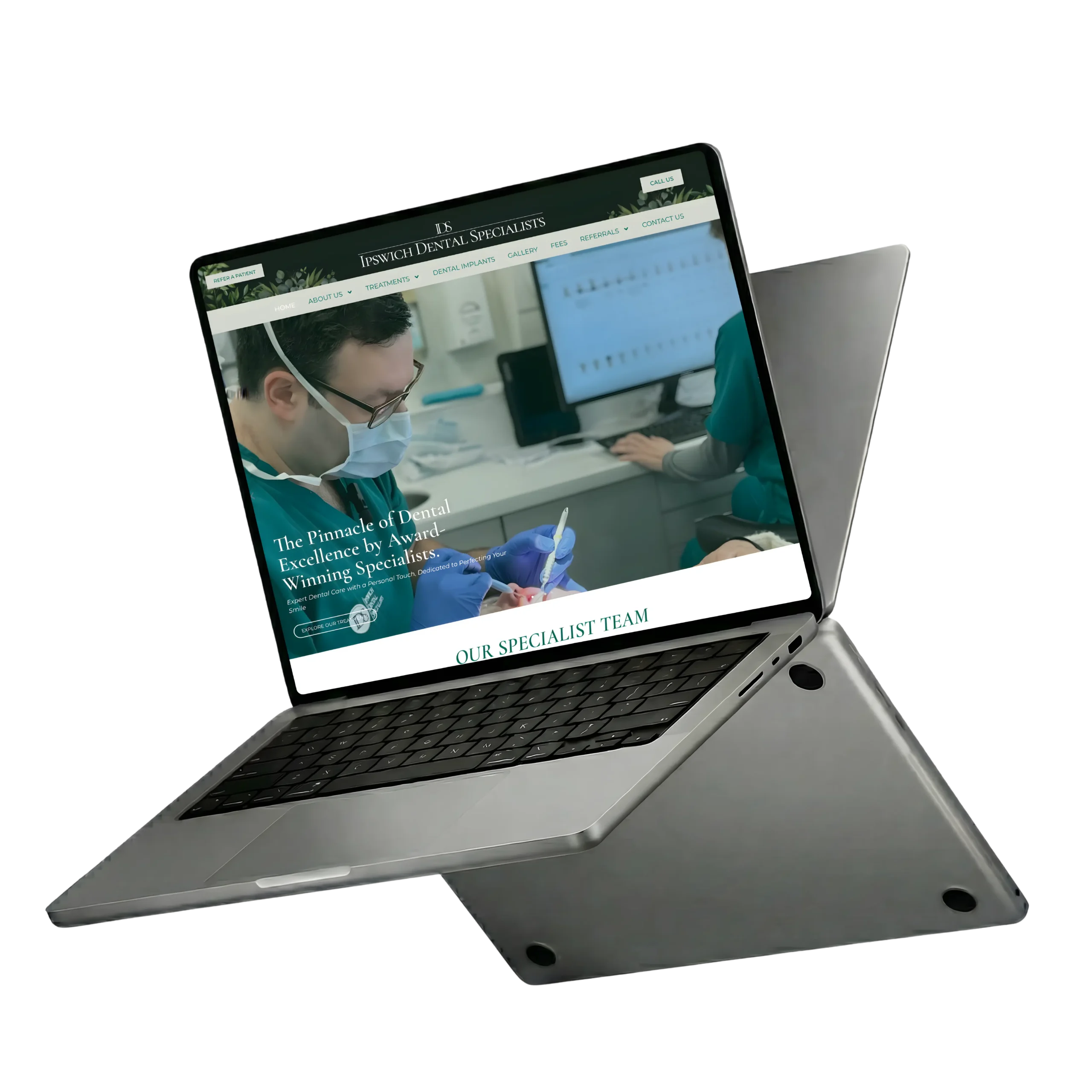
        For many prospective patients, your website is the first impression of your practice. As online behaviour evolves, patients expect more than a brochure-style website. Instead, they want a site that loads fast, works on any device, answers their questions clearly and helps them take action. 

        A high-performing dental website in 2026 must meet these expectations and more if it is to convert visitors into booked appointments.

        Built Around User Behaviour and Performance

        The most effective dental websites are designed around how users behave, not just how they look. Heat maps and scroll tracking show that visitors decide quickly whether a site feels trustworthy and relevant. Websites that fail to load fast or make key information hard to find tend to lose potential patients immediately. A high-performing dental website should prioritise speed, clarity and ease of use, ensuring that patients find what they need with minimal friction. Slow load times, confusing menus or buried contact details undermine credibility and increase abandonment rates, even if the design looks modern on the surface.

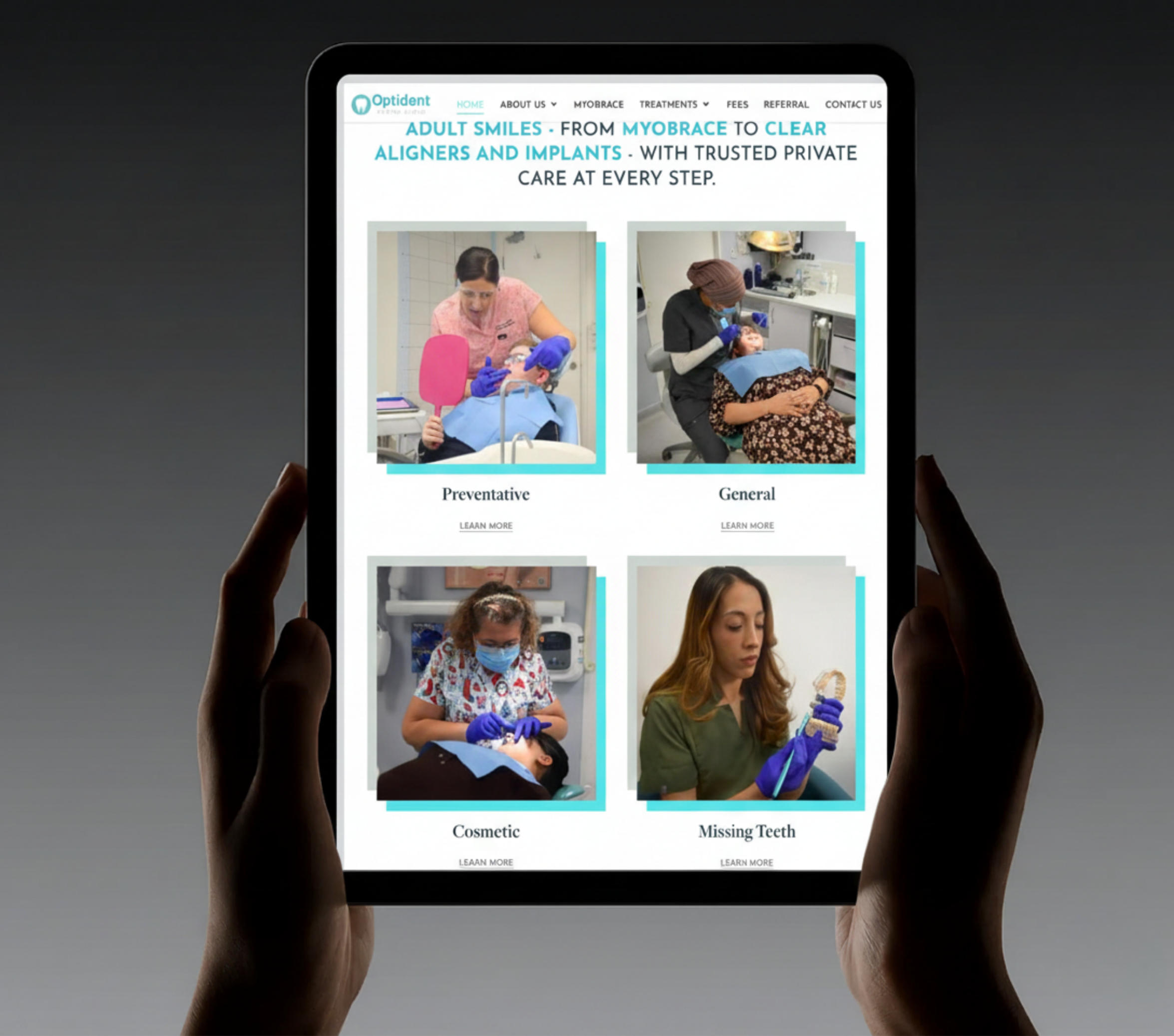
        Mobile experience is critical. With most patients searching from smartphones, a responsive design isn’t optional – it’s expected. Your site should work seamlessly on any screen and make actions like calling, booking or navigating services effortless. A mobile-first approach improves user experience and supports better search engine rankings, which are increasingly influenced by mobile signals and performance metrics.

        mockup

        Strong SEO Architecture and Local Relevance

        Technical SEO is the backbone of visibility. A high-performing dental website must be built with SEO in mind from the ground up. Clear, descriptive page URLs help both users and search engines understand your content and improve click-through rates from search results. Logical site structure and internal linking ensure content is easy to navigate and index, which boosts search performance over time – especially for local and treatment-specific queries like “Invisalign in London” or “emergency dentist near me”.

        Local SEO also matters more than ever. Your Google Business Profile needs to be optimised and aligned with your website content so that your practice appears in local search and map results for relevant queries. Consistency across directories and citation sources reinforces authority and boosts local visibility.

        Content That Educates and Converts

        Content remains a core part of a high-performing dental website. Patients arrive looking for clear answers to their questions. Service pages should describe treatments in everyday language, outline what patients can expect, address common concerns, and guide visitors toward the next step. Educational blogs and FAQs help patients make informed decisions and support search visibility by targeting long-tail keywords relevant to local search demand.

        Authentic, original content also enhances trust. High-quality images of your clinic, team, and equipment help patients form a personal connection before they visit. Videos that explain procedures or introduce team members can further reduce anxiety and increase conversions. Content that genuinely reflects your practice’s expertise and personality sets you apart from generic template sites that lack depth or substance.

        Built-In Trust and Conversion Features

        A high-performing dental website must make it easy for visitors to take action. Prominent calls to action – such as “Book a Consultation” or “Call Now” – should be visible throughout the site. Online booking integrations, contact forms, and click-to-call buttons reduce barriers to enquiry and match modern patient expectations. Trust signals such as patient testimonials, star ratings, and professional credentials like GDC registration enhance credibility and reassure visitors that your practice meets recognised standards of care.

        Conversion tracking and analytics should be set up from launch to monitor which pages and elements are driving engagement and enquiries. This data allows ongoing optimisation, ensuring the website continues to improve and perform as patient behaviour evolves.

        FINAL THOUGHTS

        A high-performing dental website in 2026 blends performance, search visibility, clear content, and trust-building features into one cohesive online experience. It should answer patient questions before they ask, make essential information easy to find, and guide visitors toward taking action. With expectations higher than ever, investing in a website that ticks all these boxes will help your practice attract and convert more patients. If your current site isn’t delivering the results you want, Dentify Digital can help transform it into a high-performing dental website that boosts visibility and bookings — get in touch to future-proof your online presence and grow your patient base.

        Read More
        in
        SEO & Visibility
        November 12, 2025by Alfie

        Local SEO for Dentists: How to Rank for ‘Dentist Near Me’ in Competitive Areas

        Most patients now use Google when they need a new dentist. When someone searches “dentist near me”, they rarely scroll past the first few results. In fact, around 93% of patients don’t go beyond page one of Google search results when researching dental services online. This shift means that local SEO — making sure your practice appears in local search results and on Google Maps — is one of the most important ways to attract high-intent patients in competitive areas.

        What Local SEO Means for Dentists

        Local SEO for dentists is about improving your online visibility for searches that are geographically relevant. It focuses on helping your practice show up when someone nearby searches for a dental service in your area, such as “emergency dentist in Norwich” or “cosmetic dentist near me”. Unlike traditional SEO, which aims for broad visibility, local SEO targets patients who are ready to book or contact a dental practice close to them.

        A strong local SEO strategy helps you reach patients at the moment they need you most — when they’re actively searching for care rather than browsing generally.

        Maps, Profiles and Core Signals

        The foundation of local SEO is your Google Business Profile (GBP). This profile is your practice’s digital storefront and appears in Google Search and Google Maps when someone searches for a ‘dentist near me’ query. A fully completed and optimised GBP increases both visibility and credibility. Essential elements include accurate name, address and phone details (NAP), up-to-date opening hours, high-quality photos of the practice and staff, and clear service listings.

        Google uses three main criteria when deciding local rankings: relevance, distance, and prominence. Relevance measures how well your listing matches the search intent; distance reflects how close your practice is to the searcher’s location; and prominence looks at your overall reputation online — including reviews, citations, and web presence across directories.

        Because of this mix, local SEO is not just about having a website — it’s about how well your entire online presence signals to Google that your practice is the best answer to local patient needs.

        Content That Signals Local Authority

        Ranking well for “dentist near me” requires more than a listing. Your website content should include location-specific keywords naturally. These are phrases that your local patients use, such as “dentist in Brighton,” “family dentist Bristol,” or “cosmetic dentist near [neighbourhood]” — especially on service pages, titles and meta descriptions. This helps Google understand exactly where you operate and which searches you should appear for.

        It also helps to create valuable local content that answers patient questions and meets their needs. For example, a blog titled “How to Choose the Best Dentist in [Your City]” or an FAQ page explaining common treatments can reinforce your relevance for local searches. Content that serves real patient intent improves your chances of ranking higher and being featured in rich snippets or knowledge panels.

        Reviews, Citations and Authority

        Patient reviews and local business listings (citations) play a major role in local rankings. Positive reviews on your Google Business Profile not only help patients decide quickly, they also signal to Google that your practice is trusted and active in the community. Encouraging reviews and responding professionally shows engagement with patients and can boost your local SEO performance.

        Consistent mentions of your practice across reputable directories — such as NHS listings, Yell, Thomson Local and healthcare platforms — help establish your authority and improve how Google ranks your practice in local search results.

        FINAL THOUGHTS

        Local SEO for dentists is essential if you want your practice to appear for “dentist near me” searches and attract nearby patients. A fully optimised Google Business Profile, localised website content and strong review signals all improve visibility and patient trust.

        With competition high in most UK cities and towns, investing time or support into your local SEO strategy will help you connect with more local patients searching for dental care. If you want expert support to improve your local SEO and rank higher in competitive areas, Dentify Digital can help — get in touch to strengthen your local visibility and win more patient enquiries.

        Read More
        DD – Website images
        Online Reputation
        November 11, 2025by Alfie

        Why Google Reviews Are the New Word-of-Mouth for Dentists

        Most people check online reviews when choosing a dentist. Data shows that the large majority of patients read Google reviews to help decide which practice to trust, and many treat them as seriously as personal referrals. Google is the most common platform for local search, with nearly all users relying on it to find local businesses and healthcare providers including dentists. Practices with a strong review profile appear more trustworthy and attract more attention in search results.

        Patients tend to look at both the number of reviews and the average rating. More reviews with high star ratings tend to increase confidence, while a practice with few reviews or mixed ratings may raise doubts.

        Why Social Proof Matters More Than Advertising

        Social proof – evidence from other patients – holds more influence than paid advertising. Advertising tells prospective patients that a dentist is good, but reviews show that other patients agree. Modern consumers trust review platforms; surveys find that a high percentage of people trust online reviews as much as personal recommendations, and many will read reviews before booking any healthcare service, including dental care.

        CONTINUED...

        Positive reviews work continuously without repeated spend, whereas advertising stops the moment a campaign ends. Each new review strengthens credibility and reinforces the impression that the practice delivers care others value. In short, reviews do the persuasive work that advertising alone cannot.

        Google reviews also boost local search visibility. Google’s algorithm considers fresh review content as a sign of relevance, helping practices appear in the “Local Pack” — the top search listings most likely to attract clicks. More and newer reviews can therefore improve visibility and patient discovery.

        The Value of Recent and Detailed Feedback

        Patients place greater trust in recent reviews than older ones, especially when they include specific details. Comments that mention staff friendliness, clear communication, or comfort help patients picture their own experience. A steady flow of new reviews shows the practice is active and trusted today, not just in the past. Responding thoughtfully to reviews further reinforces professionalism and shows that patient feedback is taken seriously.

        Why Practices Should Manage Reviews Actively

        Google reviews are not passive. Practices that actively request feedback and monitor reviews tend to attract more enquiries. Responding to reviews shows patients that their experience matters and helps build trust before first contact. It also keeps your Google profile active, which supports local visibility and discovery.

        Reviews act as ongoing endorsements from real patients. That kind of social proof carries more weight than any advert.

        FINAL THOUGHTS

        Today, Google reviews for dentists have replaced traditional word-of-mouth as a key trust signal. They influence patient choice, improve search visibility, and build confidence at scale. Practices that manage reviews well stay visible and credible. If you want Google reviews to work harder for your practice, Dentify Digital can help automate review generation and strengthen your online reputation—get in touch to turn patient feedback into consistent growth.

        Read More

        ©2026-DENTIFY DIGITAL-

        ©2026-DENTIFY DIGITAL-©2026-DENTIFY DIGITAL-©2026-DENTIFY DIGITAL-©2026-DENTIFY DIGITAL-©2026-DENTIFY DIGITAL-
        ©2026-DENTIFY DIGITAL-©2026-DENTIFY DIGITAL-©2026-DENTIFY DIGITAL-©2026-DENTIFY DIGITAL-©2026-DENTIFY DIGITAL-

        address:  Chancellors House, 3 Brampton Lane, Hendon, England, NW4 4AB

        info@dentifydigital.com

        phone:        020 4634 6363

        FacebookInstagram

        [Copyright © 2026. DENTIFY DIGITAL]

        [cookies policy]

        [Privacy policy]

        [Terms of Use]