logotype
  • HOME
  • SERVICES
    • WEB DESIGN
    • DIGITAL MARKETING
    • BRANDING
    • SEO
    • PHOTOGRAPHY
    • REPUTATION MANAGEMENT
  • BLOG
  • OUR WORK
  • RESOURCES
  • CONTACT US
    Contact us

    We are Here:

    Chancellors House, 3 Brampton Lane, Hendon, England, NW4 4AB

    Send mail:

    info@dentifydigital.com

    Call Us:

    020 4634 6363
    Facebook-fLinkedin-inInstagram
    Get in Touch

    Your email address will not be published. Required fields are marked *

    SEARCH
    logotype
    logotype
    • HOME
    • SERVICES
      • WEB DESIGN
      • DIGITAL MARKETING
      • BRANDING
      • SEO
      • PHOTOGRAPHY
      • REPUTATION MANAGEMENT
    • BLOG
    • OUR WORK
    • RESOURCES
    • CONTACT US
      Contact us

      We are Here:

      Chancellors House, 3 Brampton Lane, Hendon, England, NW4 4AB

      Send mail:

      info@dentifydigital.com

      Call Us:

      020 4634 6363
      Facebook-fLinkedin-inInstagram
      Get in Touch

      Your email address will not be published. Required fields are marked *

      SEARCH
      logotype
      • HOME
      • SERVICES
        • WEB DESIGN
        • DIGITAL MARKETING
        • BRANDING
        • SEO
        • PHOTOGRAPHY
        • REPUTATION MANAGEMENT
      • BLOG
      • OUR WORK
      • RESOURCES
      • CONTACT US
        Contact us

        We are Here:

        Chancellors House, 3 Brampton Lane, Hendon, England, NW4 4AB

        Send mail:

        info@dentifydigital.com

        Call Us:

        020 4634 6363
        Facebook-fLinkedin-inInstagram
        Get in Touch

        Your email address will not be published. Required fields are marked *

        Budget & ROI
        HomeArchive by Category "Budget & ROI"

        Category: Budget & ROI

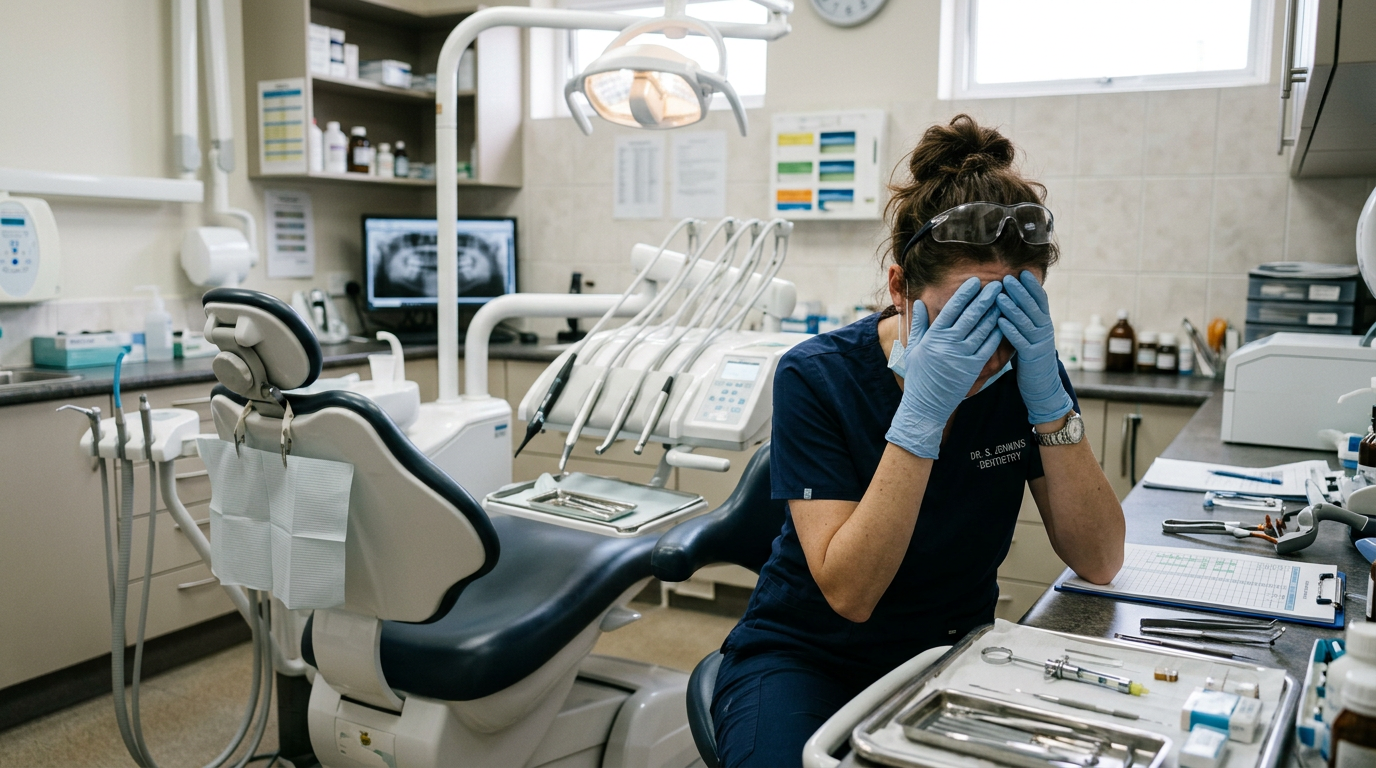
        Dentist upset
        Budget & ROI
        May 7, 2026by Alfie

        Why Is My Google Ads Spend So High With No Results?

        You get your monthly credit card statement. Google Ads has taken £1,500. You immediately check your practice management software to see the return on that investment.

        Zero new Invisalign consults. Zero implant enquiries.

        The frustration is entirely justified. You are essentially setting fire to £50 a day. When this happens, most practice owners assume that “Google Ads just doesn’t work for dentistry anymore.”

        But the truth is, Google Ads works exceptionally well. If you are spending a fortune and getting no patients, the platform isn’t broken—your setup is. You are likely bleeding budget through three common, easily fixable leaks.

        1. The "Smart Campaign" Trap

        When you first sign up for Google Ads, Google holds your hand. They encourage you to set up a “Smart Campaign” (previously called AdWords Express).

        You write two lines of text, tell them your daily budget, and Google promises to “do the rest using AI.” It sounds perfect for a busy principal dentist.

        The Reality: Smart Campaigns are designed to make Google money, not you. They remove your control. Google will take your broad keyword like “Dentist” and show your ad to almost anyone, on almost any website, until your daily budget is exhausted.

        The Fix: You must switch your account to “Expert Mode.” Professional campaign management relies on manual bidding, highly specific ad groups, and total control over exactly which search terms trigger your ads. Do not let Google’s automated systems guess what your business needs.

        2. Location Targeting Disasters

        You own a private practice in Leeds. A patient looking for dental implants in London is never going to sit in your chair. Yet, you might be paying for their clicks.

        How does this happen? Google’s default location setting is sneaky. By default, it targets: “People in, or who show interest in, your targeted locations.”

        This means if someone in London is reading a news article about Leeds, or searching for a hotel in Leeds, Google decides they have “interest” in your area and shows them your ad. They click it by mistake, bounce off your website, and you lose £8.

        The Fix: You must dive into your location settings and change the target to: “Presence: People in or regularly in your targeted locations.” Then, draw a strict 5-to-10-mile radius around your practice postcode. Only pay for clicks from people who can actually drive to you.

        3. The Missing "Negative Keywords"

        If there is one single reason your budget is vanishing, it is this.

        You tell Google you want to show up for the keyword “Dental Implants.” Without strict parameters, Google uses “broad match.” Your ad will now show up for:

        “Free dental implants on the NHS”

        “Dental implant training courses for nurses”

        “Dental implants in Turkey”

        “How to remove a dental implant at home”

        Every time someone searches one of those phrases and clicks your ad, you pay. You are paying for people who have zero intention of buying a £2,500 implant from you.

        The Fix: You need a Negative Keyword List. This is a list of words you give to Google, telling them when not to show your ad. A good dental campaign should have hundreds of negative keywords, including: free, NHS, cheap, abroad, Turkey, training, salary, student, jobs, DIY. A robust negative keyword list acts as a bouncer for your budget, only letting high-intent buyers through the door.

        Summary: Stop Feeding the Machine

        If you are running Google Ads without strict rules, you are writing Google a blank cheque.

        Ditch the DIY: Turn off “Smart Campaigns” and use Expert Mode to regain control.

        Lock down your location: Only target people physically sitting within a 10-mile radius of your reception desk.

        Build your bouncer: Use extensive negative keywords to block students, job seekers, and bargain hunters from clicking your ads.

        If you suspect your Google Ads account is leaking money, do not just increase the budget hoping things will improve. You need to plug the holes first. We can run a full diagnostic audit on your Google Ads account to show you exactly where your money is going.

        Click here to book a strategy call with Dentify Digital.
        Read More
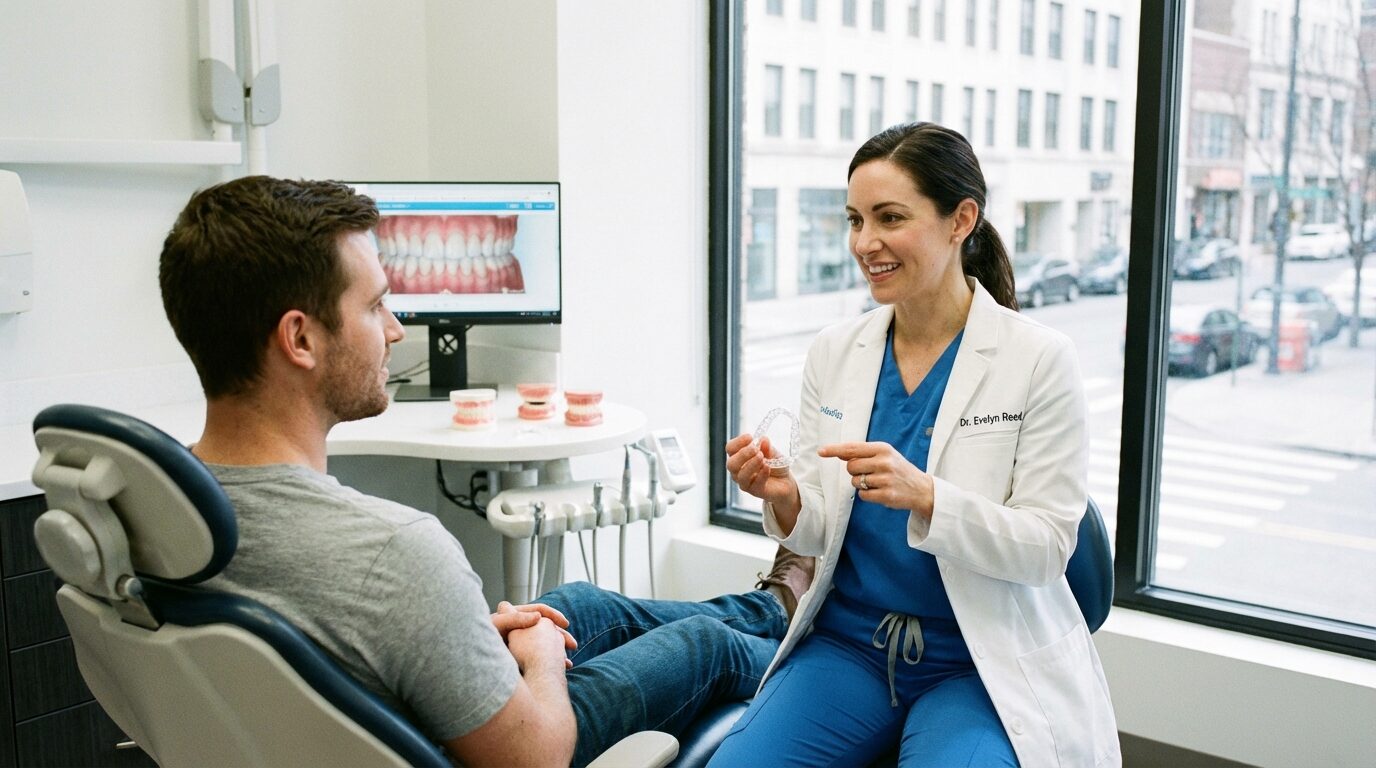
        dentist with patient Invisalign
        Budget & ROI
        April 8, 2026by Alfie

        How much does a new Invisalign/Implant patient actually cost to acquire?

        If you ask a marketing agency, “How much does it cost to get a new Invisalign patient?” you will rarely get a straight answer. They will throw acronyms at you. They will talk about impressions, click-through rates, and algorithms.

        But as a practice owner, you only care about the bottom line. You are running a business, not a digital arts project. You need to know exactly how many pounds you have to put into the machine to get a £4,000 treatment plan out the other side.

        To figure this out, you must understand the critical difference between the two most important metrics in dental marketing: Cost Per Lead (CPL) and Cost Per Acquisition (CPA).

        Confusing the two is the fastest way to drain your marketing budget and frustrate your reception team.

        CPL vs. CPA: What is the Difference?

        Cost Per Lead (CPL): This is the cost to get someone’s contact information. They clicked your Facebook ad and submitted a form with their name, email, and phone number. They are a potential patient.

        Cost Per Acquisition (CPA): This is the cost to get a paying patient into the chair who actually accepts the treatment plan. They have handed over their credit card or signed the finance agreement. They are a real patient.

        Agencies love to sell you on a low CPL. It makes them look good. “Look, we got you 50 implant leads for just £20 each!”

        But if none of those 50 people actually show up to the practice or qualify for surgery, your CPA is £0, and you just wasted £1,000.

        The Math: Why the "Expensive" Lead is Cheaper

        Let’s look at two common scenarios for a practice trying to sell £3,500 Invisalign packages.

        Scenario A: The “Cheap Lead” Strategy
        You run a broad, generic ad offering a “Free Invisalign Consult.” The form is short. Anyone can click it.

        • CPL: £50.
        • Leads Generated: 20.
        • Total Ad Spend: £1,000.
        • The Reality: 15 of them don’t answer the phone. 3 book but don’t show up. 2 show up, but only 1 accepts treatment.

        Your True CPA: You spent £1,000 to get 1 patient. Your CPA is £1,000.

        Scenario B: The "High-Intent Lead" Strategy

        You run an ad that clearly states the starting price (£3,500) and requires the patient to fill out a 5-question pre-qualification survey before booking. You also charge a £30 refundable deposit to hold the consultation slot.

        • CPL: £150 (Because you added friction, fewer people fill it out, so each lead costs more to generate).
        • Leads Generated: 10.
        • Total Ad Spend: £1,500.
        • The Reality: Because they jumped through hoops and paid a deposit, 9 show up. They already know the price, so 3 of them accept treatment.
        • Your True CPA: You spent £1,500 to get 3 patients. Your CPA is £500.

        In Scenario B, the lead cost three times as much to generate (£150 vs £50). But the actual patient cost half as much to acquire (£500 vs £1,000).

        The Hidden Costs of Cheap Leads

        When you chase a low CPL, you aren’t just wasting ad spend. You are bleeding money internally.

        Reception Burnout: Your front desk is paid to manage the patients in front of them, not to act as an outbound call centre. Chasing cheap leads who don’t want to talk to you destroys team morale.

        Wasted Chair Time: If a “tyre kicker” actually makes it into the chair for a free 30-minute consult and then says, “Oh, I didn’t realise implants were more than £500,” you have just lost £150+ in hourly surgery overheads.

        The 2026 Benchmarks: What Should You Expect to Pay?

        The cost of advertising on Google and Meta (Facebook/Instagram) fluctuates, but in the UK market right now, here are realistic benchmarks for a well-optimised campaign:

        Invisalign/Clear Aligners:

        • Good CPL: £60 – £120
        • Target CPA: £300 – £600

        ROI: Spending £500 to make £3,500 is a fantastic return.

        Dental Implants (Single/Multiple):

        Good CPL: £100 – £250

        Target CPA: £500 – £900

        ROI: Implants are higher friction. But spending £800 to secure a £5,000+ treatment plan still yields excellent profitability.

        Note: These numbers assume your front-of-house team has excellent telephone conversion skills. If your reception team cannot sell a consultation, your CPA will skyrocket regardless of how good the ads are.

        Summary

        Stop looking at the cost of the click. Start looking at the cost of the chair.

        Understand the Metrics: CPL is a vanity metric. CPA is a business metric.

        Add Friction: Don’t be afraid to ask qualifying questions on your web forms. It filters out the time-wasters.

        Know Your Margins: If an implant brings in £2,000 profit, spending £600 to acquire that patient makes perfect business sense.

        Track Everything: Connect your ads to your practice management software so you know exactly which £150 lead turned into a £10,000 full-arch case.

        If you are tired of paying for leads that never answer the phone, it is time to shift your strategy from volume to value.

        Click here to book a strategy call with Dentify Digital.
        Read More
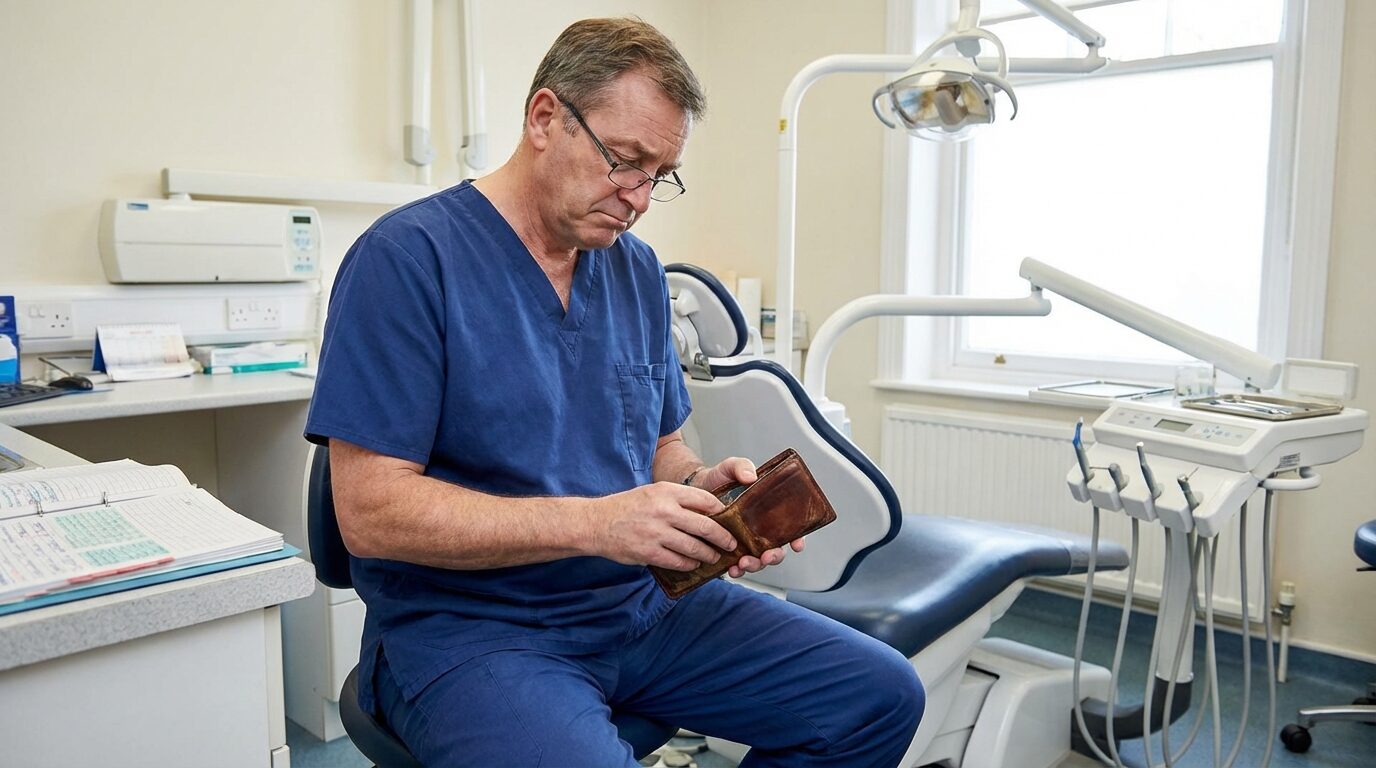
        Dentist looking in wallet
        Budget & ROI
        April 3, 2026by Alfie

        What is the average marketing budget for a private dental practice in the UK?

        Budgeting for Growth: How Much Should a UK Private Practice Spend on Marketing?

        Every practice owner eventually sits down with their accountant, looks at the profit and loss statement, and stares at the “Marketing” line item.

        You might be spending £500 a month. You might be spending £5,000 a month. Either way, the same questions keep you up at night: Am I spending too much? Am I spending enough? What is the clinic down the road spending?

        Asking “What is the average marketing budget?” is a bit like asking “How much does a house cost?” It depends entirely on whether you want a two-bedroom terrace or a six-bedroom mansion.

        In the 2026 UK dental market, your budget should not be a random number you pull out of thin air. It should be a strict percentage of your projected turnover, dictated by the phase of business you are in.

        The 3-7% Rule: Maintenance and Steady Growth

        If you have an established private dental practice with a healthy book of patients, strong local word-of-mouth, and a diary that is mostly full, you fall into this category.

        For steady, sustainable growth, the golden rule of business is to reinvest 3% to 7% of your gross annual turnover into marketing.

        • Turnover: £1,000,000
        • Annual Budget (5%): £50,000
        • Monthly Budget: ~£4,166

        What does this budget do? It acts as your defensive shield and your steady engine. It covers:

        • Paying a professional agency to manage your SEO so you stay at the top of Google.
        • Running consistent Google Ads to catch patients looking for high-value treatments like implants or Invisalign.
        • Maintaining a high-quality website and email newsletter software.
        • Replacing the natural “churn” of patients who move away or pass on.

        If you drop below 3%, you are coasting. Coasting feels great for a while, but eventually, friction slows you down, and hungrier competitors will overtake you.

        The 10-15% Rule: Aggressive Growth

        Sometimes, maintaining the status quo is not enough. You need to capture market share rapidly. This requires an aggressive growth budget of 10% to 15% of your projected turnover.

        You need to shift into this aggressive bracket if you are facing any of the following scenarios:

        • Opening a Squat Practice: You have zero patients and heavy finance to pay off. You need footfall immediately.
        • An NHS-to-Private Conversion: You are handing back your contract and need to rapidly acquire private fee-paying patients to fill the void.
        • Bringing on a New Associate: You just hired a specialist endodontist or implantologist. You cannot expect them to sit in an empty surgery. You need to buy them leads.
        • Expanding the Premises: You just added two new surgeries to your building.

        If your goal is to grow from £500k to £1m in turnover this year, you cannot get there using a 3% maintenance budget. You have to spend money to acquire that new market share.

        • Target Turnover: £1,000,000
        • Annual Budget (12%): £120,000
        • Monthly Budget: £10,000

        This sounds terrifying to many clinicians. But remember: marketing for high-ticket dentistry is not an expense; it is a mathematical equation. If you spend £10,000 to confidently acquire £80,000 worth of implant and orthodontic cases, that is a highly profitable machine.

        The Trap of the "Flat Rate" Budget

        The biggest mistake practice owners make is setting a flat budget and leaving it there for five years.

        “We spend £1,000 a month on marketing.”

        In 2021, £1,000 bought you a lot of clicks on Google. In 2026, the Cost-Per-Click (CPC) for terms like “Invisalign near me” has skyrocketed due to heavy competition. If your budget stays flat while inflation and competition rise, your actual reach shrinks every single month. Your budget must be a percentage of revenue so that it scales dynamically as your practice grows.

        How to Allocate the Funds

        Whether you are spending 5% or 15%, how you slice the pie matters. A healthy modern mix looks like this:

        • 50% on Direct Acquisition: Google Ads and Meta (Facebook/Instagram) Ads. This is your tap for immediate leads.
        • 30% on Asset Building: SEO, website improvements, and professional content creation (video/photography). This lowers your reliance on paid ads over time.
        • 20% on Internal/Retention: Email marketing software, referral reward programs, and waiting room digital displays.

        Summary

        Do not look at marketing as a drain on your profits. Look at it as the fuel for your business engine.

        Calculate your target turnover for the next 12 months.

        Assess your current phase. Are you maintaining (3-7%) or aggressively attacking the market (10-15%)?

        Set the percentage and stick to it, dividing the annual number by 12 for your monthly spend.

        Track your Return on Investment (ROI) to ensure that the fuel is actually making the car go faster.

        If you are unsure where your practice fits on this scale, or if you feel your current budget is being wasted on the wrong channels, we can help you audit your spend.

        Read More
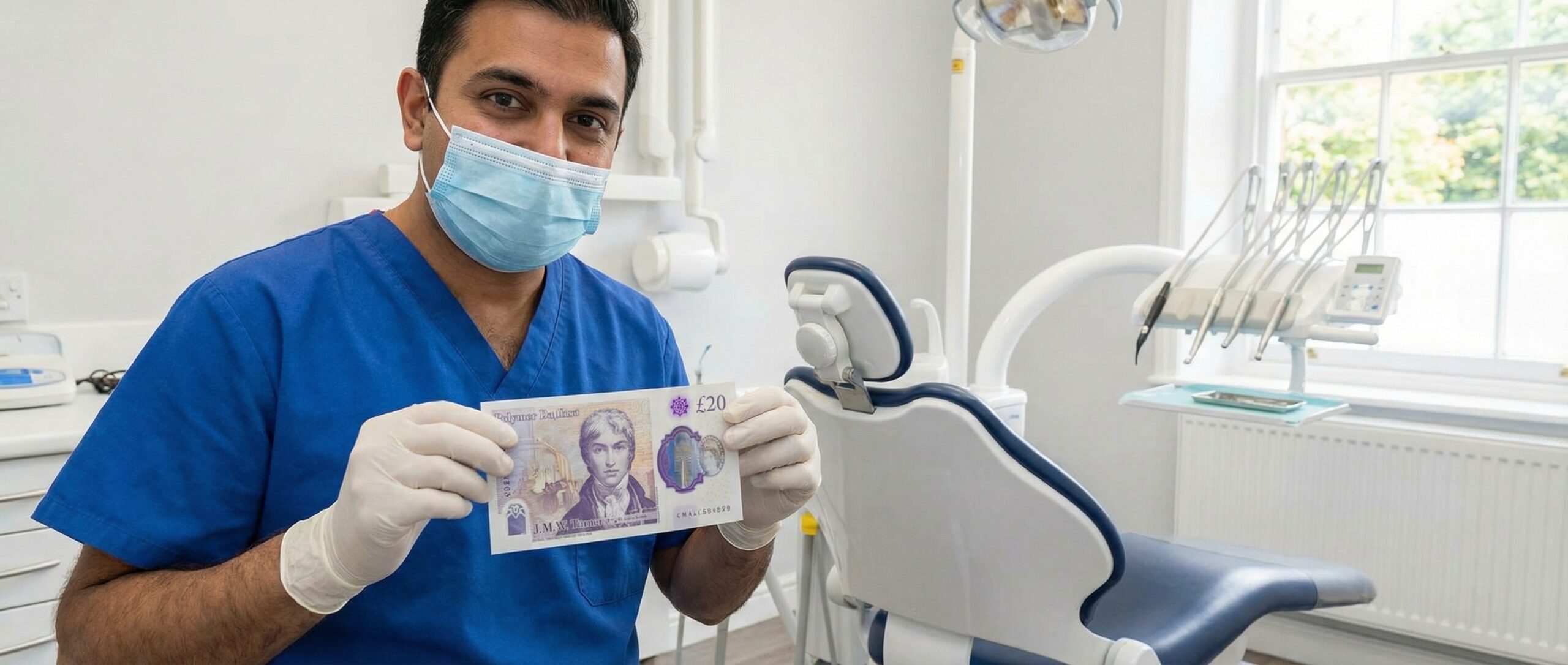
        Dentist holding up cash
        Budget & ROI
        March 17, 2026by Alfie

        What is a ‘good’ Cost-Per-Lead (CPL) for Dental Implants in the UK right now?

        Are You Overpaying for Implant Leads? The 2026 Benchmarks

        If you run Google or Facebook ads, you likely check your dashboard every morning. You see a number labeled CPL (Cost-Per-Lead).

        One day it is £15. You feel like a genius. The next day it jumps to £60. You feel like you are being robbed. But here is the hard truth: that number, on its own, is almost meaningless.

        In the UK dental market, not all leads are equal. A “cheap” lead can often be the most expensive mistake your practice makes.

        So, what is a “good” CPL for dental implants in 2026? To answer that, we have to look past the clicks and focus on the quality of the person behind the screen.

        The 2026 UK Benchmarks

        Based on current data from high-performing dental campaigns, we can divide leads into two distinct categories.

        The Raw Enquiry (£25 – £60)
        This is someone who clicked an ad and typed their name and email into a form.

        The Reality

         Many of these people are “tyre kickers.” They might not have the money. They might live 100 miles away. They might not even remember filling in the form.

        The Trap

        If your CPL is this low, your reception team will spend all day chasing people who don’t answer the phone. This wastes staff wages and creates “lead fatigue.”

        The Qualified Consult (£150 – £250)

        This is a “high-intent” lead. They haven’t just filled in a form; they have answered a pre-qualification survey. They have confirmed they have missing teeth, they understand the rough costs, and they have booked a specific time for a discovery call.

        The Reality

        The CPL is much higher, but the conversion rate is 5x better.

        The Value

        You are paying for a person who is ready to buy, not just curious.

        Why "Cheap Leads" Destroy Your ROI

        Many agencies promise “Implants leads for £10.” This is a siren song for practice owners.

        If you get 100 leads at £10 each, you spend £1,000. If 98 of them are poor quality and you only sell one implant (£2,500), your Return on Investment (ROI) is 2.5x.

        If you get 10 “Qualified Consults” at £100 each, you still spend £1,000. But if 4 of those people move forward with treatment (£10,000), your ROI is 10x.

        Cheap leads attract people looking for the lowest price. High-quality Personal Branding for dentists attracts people looking for the best expert.

        The Cost of a "No-Show"

        When calculating your true CPL, you must include the cost of your surgery time.

        If a “cheap” lead books a free consultation and doesn’t show up, you haven’t just lost the ad spend. You have lost the £200+ per hour it costs to run your surgery.

        This is why we recommend adding “friction” to your marketing funnel. Ask more questions. Require a refundable deposit for the consultation. This drives your CPL up, but it drives your Cost-Per-Sale down.

        Summary: What Should You Aim For?

        A “good” CPL is one that results in a profitable treatment.

        1. Emergency Leads: Aim for £40–£60. These are fast and low-friction.
        2. Implant Leads: Expect to pay £150+ for a qualified, high-intent lead in 2026.
        3. Focus on ROI: Stop asking “How much per lead?” and start asking “How much to buy a £10,000 treatment plan?”

        If your current marketing is delivering quantity but not quality, your team is likely burnt out from making useless phone calls. We can help you build a funnel that filters for the best patients.

        Click here to book a strategy call with Dentify Digital.
        Read More
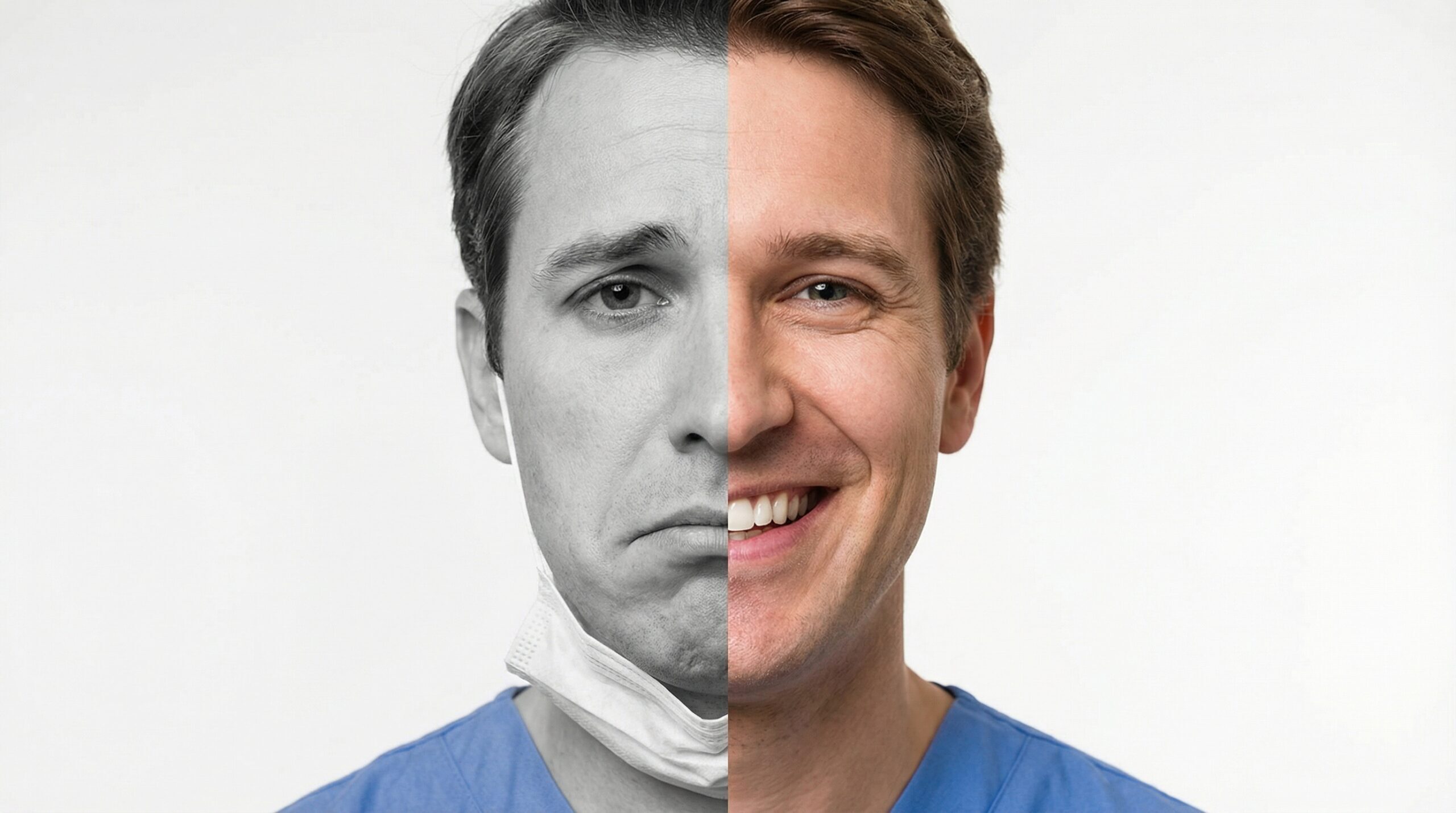
        half happy half sad
        Budget & ROI
        February 25, 2026by Alfie

        The “Feast or Famine” Trap: Why You Must Market Even When Busy

        Gifted Smiles: The Rules of Using Influencers for Dental Marketing

        It usually starts with a Direct Message (DM) on Instagram.

        A local lifestyle blogger with 20,000 followers slides into your practice’s inbox. They love your work. They have a “big event” coming up. They ask if you would be interested in a collaboration: a free course of boutique whitening in exchange for some stories and a grid post.

        Your initial reaction might be excitement. This is modern word-of-mouth, right? For the cost of a few whitening syringes, you get access to thousands of potential patients in your area.

        But before you say yes, you need to understand the minefield of regulations you are stepping into.

        Influencer Marketing for dentists is not the wild west. It is a highly regulated space governed by the Advertising Standards Authority (ASA), the Committee of Advertising Practice (CAP), and, of course, the GDC.

        Getting it wrong doesn’t just mean a slap on the wrist. It can lead to negative PR, fines, and even a fitness to practise investigation.

        The #Ad Rule: Transparency is Non-Negotiable

        The most common mistake practice owners make is thinking that because no money changed hands, it isn’t an advert.

        Under UK law, a “gift” is payment.

        If you give an influencer free Invisalign, composite bonding, or whitening, you have paid them with a service. Therefore, any content they post about you is an advertisement.

        The ASA guidance is strict. The viewer must know it is an ad before they engage with the content.

        Good: Starting a caption with #Ad or #Advert.

        Bad: Hiding #gifted in a sea of hashtags at the bottom of the post.

        Worse: Tagging it as #sp (Sponsored) or #collab, which the ASA deems ambiguous.

        If your influencer posts a glowing review without declaring it as an ad, you are liable, not just them. The ASA holds the brand (you) responsible for ensuring the influencer follows the rules.

        The Botox Trap: A Strict Ban on POMs

        This is where many aesthetics clinics get into serious trouble.

        Botulinum Toxin (Botox) is a Prescription Only Medicine (POM). In the UK, it is illegal to advertise POMs to the general public.

        This ban extends to Influencer Marketing for dentists.

        You cannot ask an influencer to post about their “anti-wrinkle injections.” Even if they don’t use the word “Botox,” if the content clearly refers to a POM (e.g., “tox,” “jabs,” “wrinkle relaxing”), it is a breach of the Human Medicines Regulations 2012.

        What about Dermal Fillers?

        Fillers are not POMs (currently), so they can be advertised. However, the ASA is cracking down on ads that trivialise the procedure or target under-18s. If an influencer promotes lip fillers, they must be socially responsible and cannot encourage “fast” or “easy” cosmetic changes.

        The Golden Rule: Never, ever use an influencer to promote Botox. It is a criminal offence.

        Teeth Whitening: Efficacy Claims Matter

        Teeth whitening is the most common treatment requested by influencers. It seems low risk.

        However, the CAP code requires that any objective claim must be supported by evidence.

        If an influencer says, “My teeth are 10 shades whiter!” or “This worked in 20 minutes!”, you need to hold clinical evidence to back that up.

        Furthermore, you must be careful with filters.

        If an influencer uses a “beauty filter” that smooths skin and brightens eyes while showing off their new white teeth, the ad is misleading. The results are being exaggerated by technology.

        ASA ruling on misleading filters states that filters should not be applied to images where they exaggerate the effect of the product being sold. You need to stipulate this in your agreement with the influencer.

        Protecting Your GDC Registration

        As a registrant, you are held to a higher standard than a fashion brand.

        The General Dental Council (GDC) views your website and social media as extensions of your professional practice.

        GDC Standard 1.3.3 states:

        “You must make sure that any advertising, promotional material or other information that you produce is accurate and not misleading.”

        If an influencer posts something clinically inaccurate—for example, claiming that “Composite Bonding protects your teeth from cavities”—you are responsible for that misinformation.

        You cannot hide behind the excuse, “I didn’t write the caption.” If you “commissioned” the post (via payment or gift), you are the publisher.

        How to Do It Safely: A Checklist

        If you still want to explore Influencer Marketing for dentists, do it professionally. Treat it like a business transaction, not a favour.

        1. Sign a Contract: Do not rely on DMs. Have a simple written agreement that explicitly states they must use #Ad at the start of every post and story.
        2. Approve the Content: Insist on seeing the photos and captions before they go live. Check for clinical accuracy and misleading claims.
        3. No Filters: Mandate that “after” photos must be #NoFilter to ensure honesty.
        4. Check Their Audience: Are their followers actually in your catchment area? If you are in Leeds but their followers are in London, the exposure is worthless.
        5. Audit Past Posts: Check if they have promoted dodgy products (like illegal at-home whitening kits) in the past. You don’t want your brand associated with unsafe practices.

        Summary

        Influencers can be a powerful tool to build social proof and reach a younger demographic. But in dentistry, the stakes are high.

        You are not selling trainers; you are performing medical interventions.

        • Always ensure #Ad is used.
        • Never promote Botox/POMs.
        • Verify all claims and images.
        • Protect your GDC number above all else.

        Done right, it’s a great way to show off your “gifted smiles.” Done wrong, it’s a fast track to a regulatory headache.

        If you want to build a social media strategy that grows your practice without breaking the rules, we can help guide you.

        Click here to book a strategy call with Dentify Digital.
        Read More
        seo vs ppc
        Budget & ROI
        February 10, 2026by Alfie

        Is SEO or Google Ads better for a new squat practice?

        The Rent vs. Buy Dilemma: Google Ads vs. SEO for Squat Practices

        David just opened the doors to his brand new squat practice in a leafy suburb of Leeds. The paint on the walls is fresh. The waiting room chairs still have that “new car” smell. He has a state-of-the-art scanner and a team ready to work.

        But there is one big problem. The phone isn’t ringing.

        David spent his budget on the fit-out and the equipment. He assumed that once the sign went up, the patients would walk in. He was wrong. Now, he is staring at an empty appointment book and burning through his cash reserves.

        He knows he needs marketing. He searches online and finds two main options: Search Engine Optimisation (SEO) and Pay-Per-Click (PPC) advertising.

        He asks the question every new owner asks: “Is SEO or Google Ads better for a new squat practice?”

        The answer isn’t simple. It depends on whether you want to rent your traffic or buy it.

        The "Rent vs. Buy" Analogy

        Think about your physical practice. You probably had to decide between renting a property or buying a building.

        Google Ads is like renting. You pay a landlord (Google) a fee to stay in a prime location. As long as you pay the rent, you are visible. You get immediate footfall. But the second you stop paying, you are evicted. Your visibility vanishes instantly. You own nothing.

        SEO is like buying (or building). You buy a plot of land. You spend time laying the foundation. You build the walls brick by brick. It takes months before the building is ready. You don’t see immediate results. But once it is built, you own it. You don’t have to pay rent for every person who walks through the door. It becomes an asset that grows in value over time.

        For a new squat practice, you are often caught in a trap. You need the speed of renting, but you want the stability of owning.

        Google Ads: The Quick Fix for Cash Flow

        When you open a squat, your biggest enemy is silence. You have zero patient base. You have bills to pay. You cannot afford to wait six months for the phone to ring.

        This is where Google Ads wins.

        With Google Ads, you can be on page one of Google within 24 hours. You bid on keywords like “Emergency Dentist near me” or “Invisalign offers.” When someone searches for those terms, your ad appears at the very top.

        For a squat practice, this is a lifeline. It turns the tap on immediately.

        Why Google Ads works for squats:

        • Speed: You get patients in the chair this week, not next year.
        • Targeting: You can target specific postcodes. If you want patients within 5 miles of your door, you can set that boundary.
        • Control: You can turn it off when you are busy. If your diary is full for next week, you pause the ads and save money.

        However, this speed comes at a price. According to data from WordStream, the average cost per click in the health industry is relatively high. In competitive areas like London or Manchester, a single click for “dental implants” can cost £5 to £10.

        If you rely 100% on ads, your marketing costs will never go down. You are renting your existence on the internet.

        SEO: Building Your Long-Term Digital Asset

        If Ads are the sprint, SEO is the marathon.

        Search Engine Optimisation is the process of getting your website to rank high in the “organic” (free) results on Google. This includes the map pack (the list of three local businesses) and the standard search results.

        Many owners ask, “Is SEO or Google Ads better for a new squat practice?” because they hate the idea of paying for every click. They want “free” traffic.

        But SEO is not free. It costs time and effort. It involves:

        • Writing helpful content (blogs, treatment pages).

        • Getting other reputable websites to link to you (backlinks).

        • Optimising your Google Business Profile.

        • Ensuring your website loads fast and works on mobiles.

        Why SEO is vital for long-term value:

        • Trust: Studies show that 70-80% of users ignore paid ads and focus on organic results. Patients trust organic rankings more. They see them as a sign of credibility.

        • Compounding Returns: Once you rank #1 for “Dentist in [Your Town],” you stay there. You don’t pay every time someone clicks. The traffic keeps coming, month after month.

        • Equity: A website with strong SEO is a business asset. If you ever sell your practice, a high-ranking website adds significant value to the sale price.

        The downside? It is slow. Ahrefs reports that it takes an average of 6-12 months to rank on the first page for a competitive keyword. For a new squat with zero income, waiting a year is not an option.

        The Trust Factor: Why Patients Click

        Understanding patient psychology is key to answering “Is SEO or Google Ads better for a new squat practice?“

        Imagine a patient has a toothache. They are in pain. They want a solution now. They search “emergency dentist.” They will likely click the very first thing they see, which is usually an Ad. In this scenario, Ads win.

        Now, imagine a patient wants veneers. This is a £5,000 decision. They are not in a rush. They will research. They will scroll past the ads. They will look at the map pack to check reviews. They will visit three or four websites. In this scenario, SEO and a strong reputation win.

        You need to capture both types of patients. The desperate patient fills your diary today. The cosmetic patient fills your bank account tomorrow.

        The Hybrid Strategy: The "Squat Timeline"

        Phase 1: Launch Mode (Months 1-6)

        • Focus: 80% Google Ads / 20% SEO.
        • Goal: Immediate cash flow.
        • Action: Spend your budget on Ads to get new patients through the door. Collect Google Reviews from every happy patient (this starts your SEO foundation). Ensure your website is technically sound.

        Phase 2: Growth Mode (Months 6-12)

        • Focus: 50% Google Ads / 50% SEO.
        • Goal: Transitioning to sustainability.
        • Action: Keep the ads running for high-value treatments (Implants, Invisalign). Start producing blog content. Optimise your local map listing. You should start seeing some organic traffic now.

        Phase 3: Authority Mode (Year 2+)

        • Focus: 20% Google Ads / 80% SEO.
        • Goal: Profit maximisation.
        • Action: Your SEO should now be bringing in a steady stream of patients. You can dial down the ad spend. You only use Ads for specific promotions or to push a new treatment. Your marketing cost-per-patient drops significantly.

        Why Local SEO is Non-Negotiable

        Even if you decide to rely on Ads, you cannot ignore Local SEO.

        This is your Google Business Profile (the map listing). It is the modern version of the Yellow Pages. If a patient searches “dentist near me,” Google shows the Map Pack first.

        To rank here, you need:

        • Consistency: Your Name, Address, and Phone number (NAP) must be identical everywhere on the web.
        • Reviews: You need a steady stream of 5-star reviews.
        • Proximity: You need to be physically located near the searcher.

        This is the “low hanging fruit” of SEO. It is easier to rank in the local map pack than in the main search results. For a squat practice, claiming and verifying your Google Business Profile should be done on day one.

        Budgeting for the Battle

        How much does this cost?

        For Google Ads, you pay for media. A typical squat practice might spend £1,000 to £2,000 a month on ad spend to generate enough leads.

        For SEO, you pay for time/expertise. You might pay an agency a monthly retainer to write content and build links.

        If you try to do SEO yourself to save money, be careful. “Cheap” SEO often involves spammy tactics that can get your site banned by Google. It is better to do nothing than to do bad SEO.

        Summary

        So, is SEO or Google Ads better for a new squat practice?

        Google Ads is better for survival. It keeps the lights on in the first six months. It is the rent you pay to be seen.

        SEO is better for wealth. It builds the long-term value of your business. It is the mortgage you pay to own your market.

        A smart practice owner uses Ads to buy time while their SEO strategy builds momentum. You rent the location while you build the skyscraper.

        If you ignore Ads, you might starve before you rank. If you ignore SEO, you will be paying rent to Google forever.

        Balancing these two channels can be tricky. You need to manage bid strategies, keyword research, and technical site audits all at once. This is where a dedicated partner can remove the stress.

        If you want to build a marketing strategy that delivers patients today and profits tomorrow, we can help you map it out.

        Click here to book a strategy call with Dentify Digital.

        Read More

        ©2026-DENTIFY DIGITAL-

        ©2026-DENTIFY DIGITAL-©2026-DENTIFY DIGITAL-©2026-DENTIFY DIGITAL-©2026-DENTIFY DIGITAL-©2026-DENTIFY DIGITAL-
        ©2026-DENTIFY DIGITAL-©2026-DENTIFY DIGITAL-©2026-DENTIFY DIGITAL-©2026-DENTIFY DIGITAL-©2026-DENTIFY DIGITAL-

        address:  Chancellors House, 3 Brampton Lane, Hendon, England, NW4 4AB

        info@dentifydigital.com

        phone:        020 4634 6363

        About us

        FacebookInstagram

        [Copyright © 2026. DENTIFY DIGITAL]

        [cookies policy]

        [Privacy policy]

        [Terms of Use]